Understanding PPWR: An Explanation and Requirements of the European Packaging and Packaging Waste Regulation

As a leading supplier of sustainable packaging solutions, we fully support the EU's goals of promoting packaging circularity and reducing packaging's environmental impact. To help our customers understand the new rules shaping the future of packaging in the EU, we have outlined the latest information on the Packaging and Packaging Waste Regulation (PPWR), its significance, objectives, and impact on retail.
Please note that this information does not constitute legal advice. Customers should refer to public information shared by relevant EU authorities and seek advice based on their own position as needed.
At the end of 2022, the draft of the Packaging and Packaging Waste Regulation (PPWR) was published. This regulation covers requirements for packaging and packaging waste, including packaging design specifications, as well as requirements for reusable packaging and waste management. Unlike the currently applicable EU Packaging Directive 94/62/EC, the PPWR is a regulation, and its provisions are binding on all 27 EU member states. This applies equally to initial packaging suppliers and online retailers.
1. What is the current status of the EU Packaging Regulation PPWR?
Since March 2024, the PPWR draft has been under review by the European Council, with a preliminary vote date in the European Parliament set for April 24.
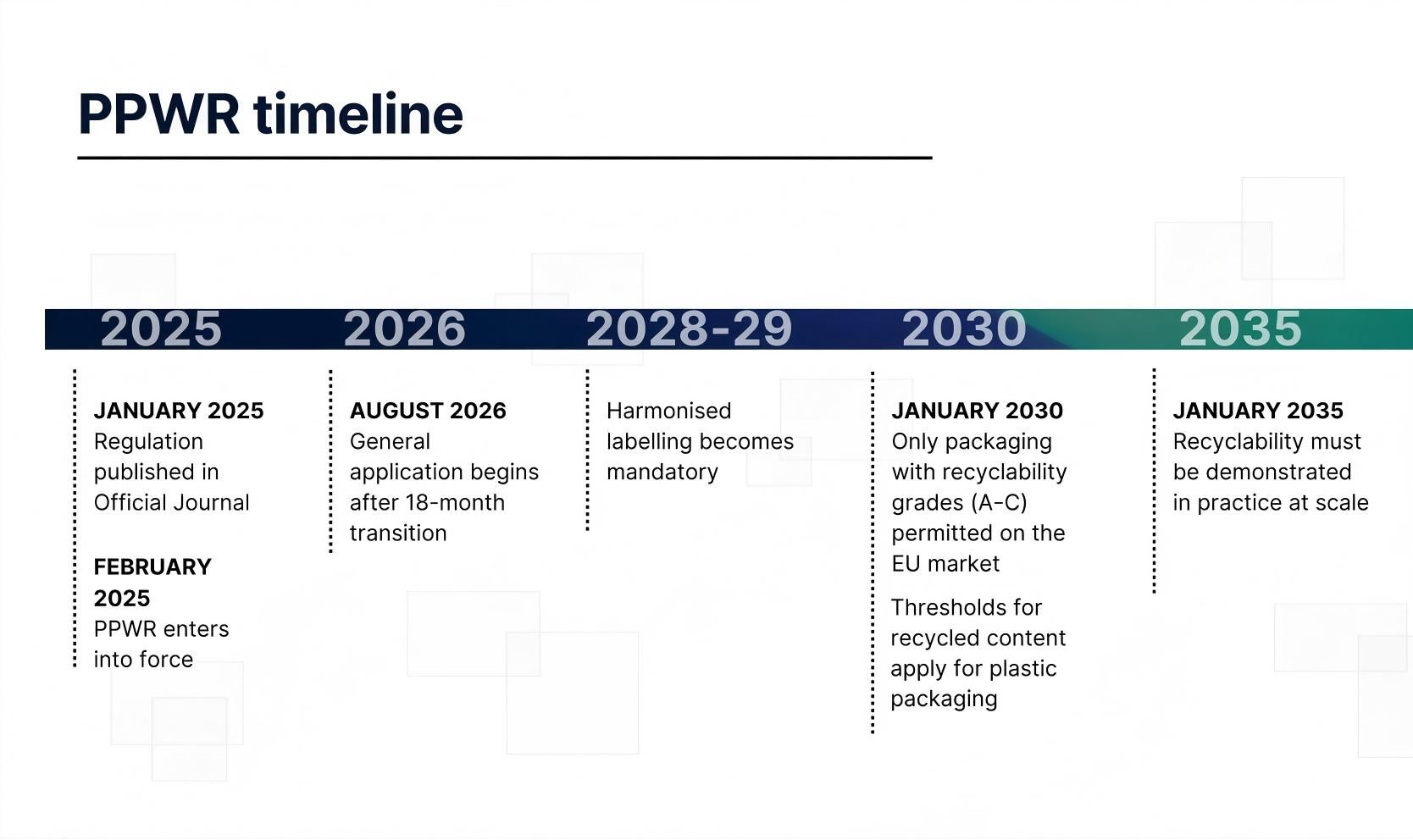
On December 16, 2024, the Council of the EU formally adopted the Packaging and Packaging Waste Regulation (PPWR). The regulation will be published in the EU's Official Journal and will officially enter into force. The new EU packaging regulations will become applicable 18 months after the effective date.
2. What are the objectives of this regulation?
The Packaging and Packaging Waste Regulation aims to significantly reduce the environmental impact of packaging in the EU. This will be achieved through reducing resource consumption and packaging waste, as well as promoting a circular economy within companies. The PPWR targets EU companies and those importing packaging into the EU, applying to both domestic and imported products. To establish an effective circular economy for packaging, the PPWR includes specific targets:
- Reduce Packaging Waste: The regulation sets clear targets for reducing the amount of packaging waste. For example, 65% of all packaging waste must be recycled by 2025, rising to 70% by 2030. The regulation also sets specific targets for materials like plastic, glass, metal, and paper.
- Design Requirements for Recyclable Packaging: Specific design requirements will be established to improve the recyclability of packaging. This means companies are encouraged to eliminate unnecessary packaging and use reusable packaging where possible.
- Use of Post-Consumer Recycled (PCR) Materials: Building on the EU Single-Use Plastics Directive, the regulation introduces stricter rules on the use of single-use plastics. The draft includes a ban on certain types of single-use packaging.
- Labeling and Transparency: Packaging must be clearly labeled to inform consumers about recyclability and the proper disposal of packaging waste.
- Promoting More Sustainable Packaging Solutions through EPR Systems: Extended Producer Responsibility requires companies to consider the entire lifecycle of packaging, including design, use, and disposal. Manufacturers must ensure their packaging is easily recyclable and bear the costs of collection, recycling, and reuse. At the same time, companies are encouraged to develop and use more environmentally friendly packaging solutions.
3. Impact of PPWR on Retail & E-commerce

The PPWR does not only affect manufacturers and businesses but also retailers and e-commerce, who must ensure their packaging meets the new requirements. This includes selecting easily recyclable materials and minimizing packaging size to avoid material waste. What does this mean for retail and e-commerce packaging?
- Design for Recycling: Components of recyclable packaging should be separable and recyclable as individual parts, following familiar collection, sorting, and recycling processes.
- Weight and Volume Minimization: The weight and volume of packaging should be limited to the necessary minimum. The goal is to reduce material consumption while ensuring functionality.
- Prohibition of Unnecessary Enlargement: Packaging that uses double walls, false bottoms, or similar elements to artificially increase the perceived volume of the product is not permitted.
- Maximum Void Space of 50%: The void space within packaging (filled with materials like air cushions or foam) must not exceed 50% of the total volume.
Furthermore, the European packaging regulation PPWR stipulates that the quantity of chemicals used (e.g., in printing) must be limited to the minimum or eliminated entirely.
4. PPWR 10 Key Measures and Requirements
Detailed Overview of the 10 Key Measures of the Packaging and Packaging Waste Regulation to Reduce Waste.
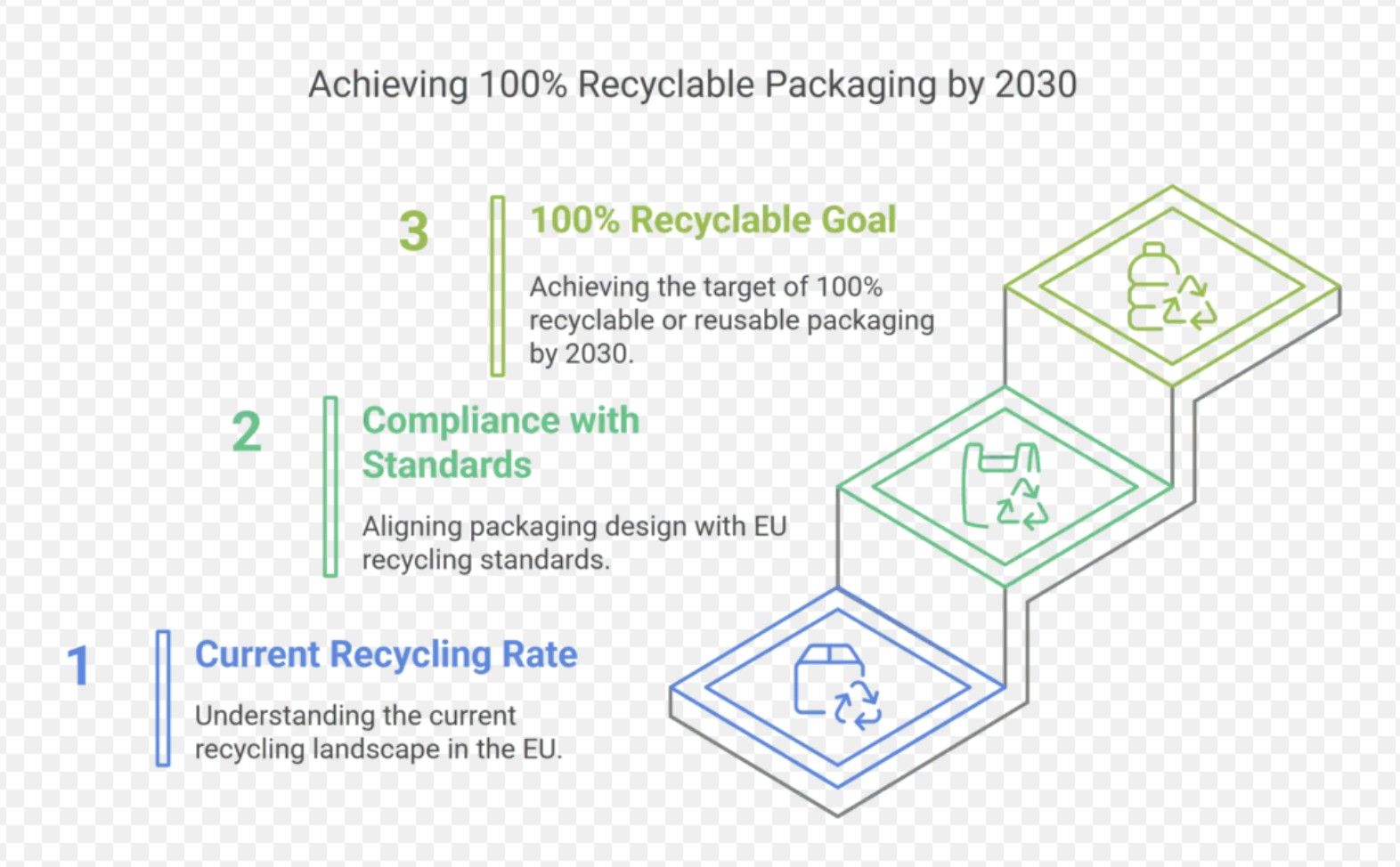
Requirement 1: All packaging must be recyclable by 2030 The primary and most important measure of the PPWR stipulates that from January 1, 2030, all packaging, regardless of material (cardboard, paper, plastic, etc.), must be specifically designed to be recyclable.

Requirement 2: Mandatory Recycled Content in Plastic Packaging
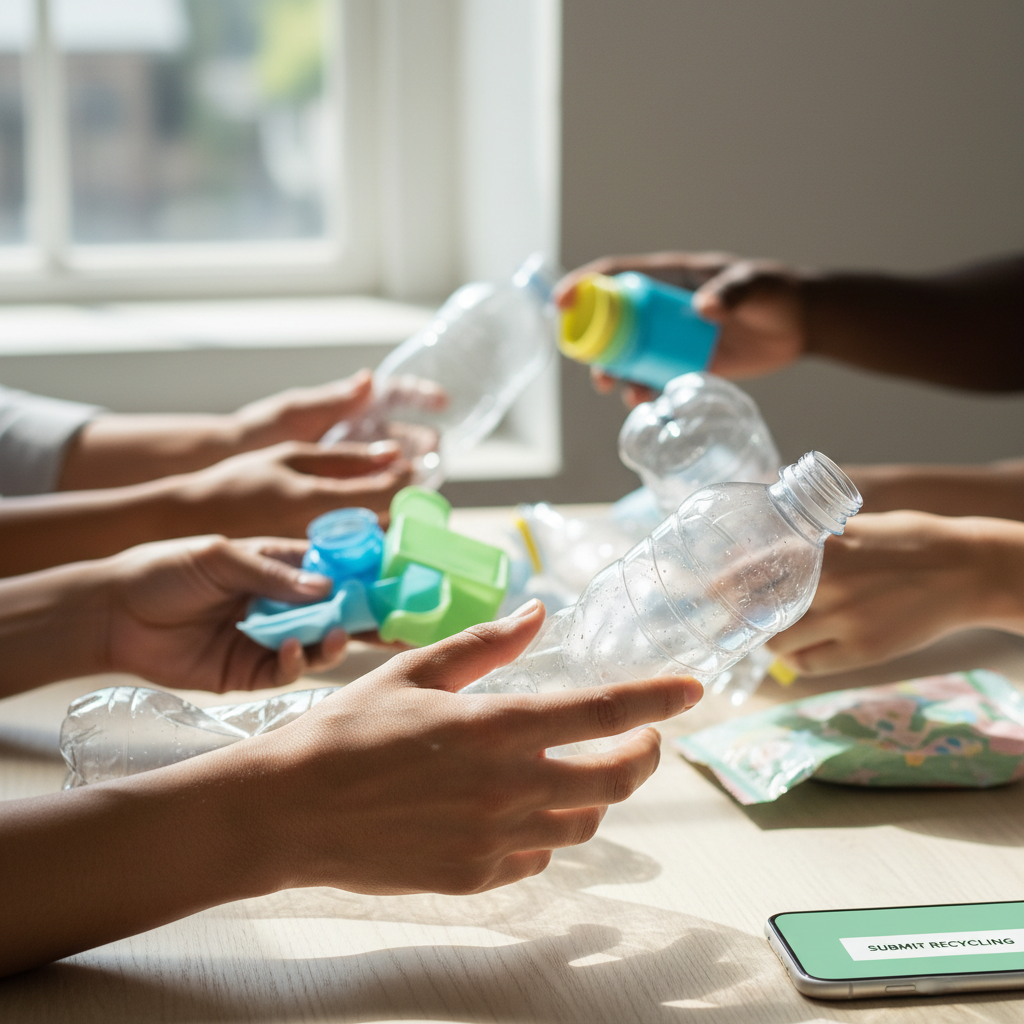
From January 1, 2030, plastic packaging or plastic components of packaging must contain a certain percentage of recycled material recovered from plastic waste.
The percentages specified in the PPWR are as follows:
(Note: The specific percentages were not detailed in the source text.)
Requirement 3: Minimize Packaging Weight and Volume PPWR measures focus on reducing packaging weight and volume to avoid overpackaging and eliminate unnecessary empty space. The weight and volume of packaging should be minimized, ensuring the safety and functionality of the packaging are considered. Packaging designed solely to enhance the perceived volume of the product, such as double corrugation, double bottoms, or unnecessary layers, is prohibited. Compliance with this requirement must be verified using technical documentation.

Furthermore, void space must be minimized, especially during the transport of goods. Space filled with paper shavings, air cushions, bubble wrap, or other filling materials constitutes void space.
Requirement 4: Plan and Promote Packaging Reuse
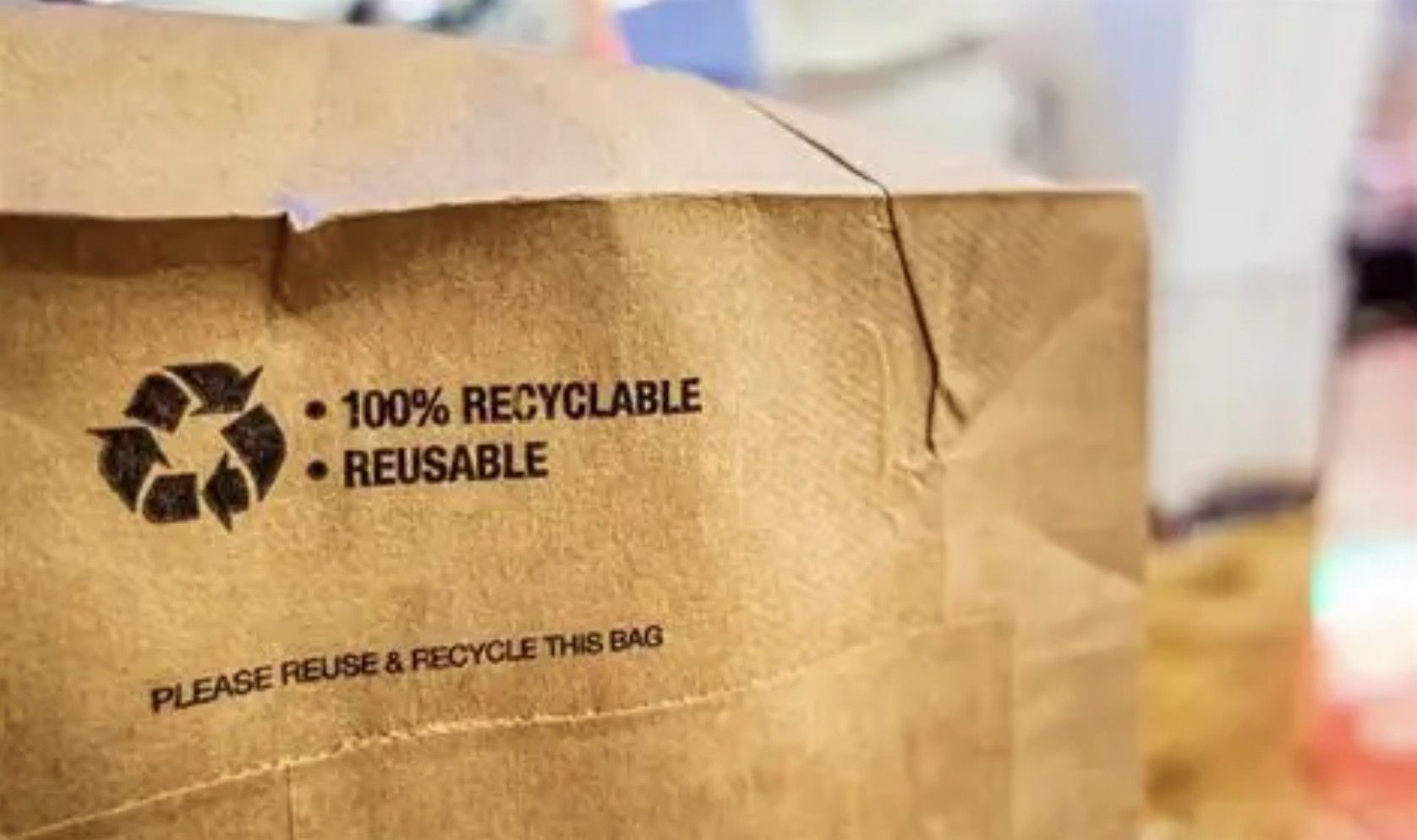
This measure aims to encourage reuse and foster a circular economy. To qualify as reusable, packaging must be carefully designed, manufactured, and marketed with the clear purpose of being used multiple times (or refilled) for an application similar to its original design.
The responsibility for planning and organizing reuse lies with the producer, who is also obligated to inform end consumers about the reuse possibilities of specific packaging.
Requirement 5: Communicate Packaging Material Information Within 42 months of the regulation's entry into force, packaging must be labeled to clearly indicate the material used in its production. While the directive does not include transport packaging, it does apply to e-commerce packaging.
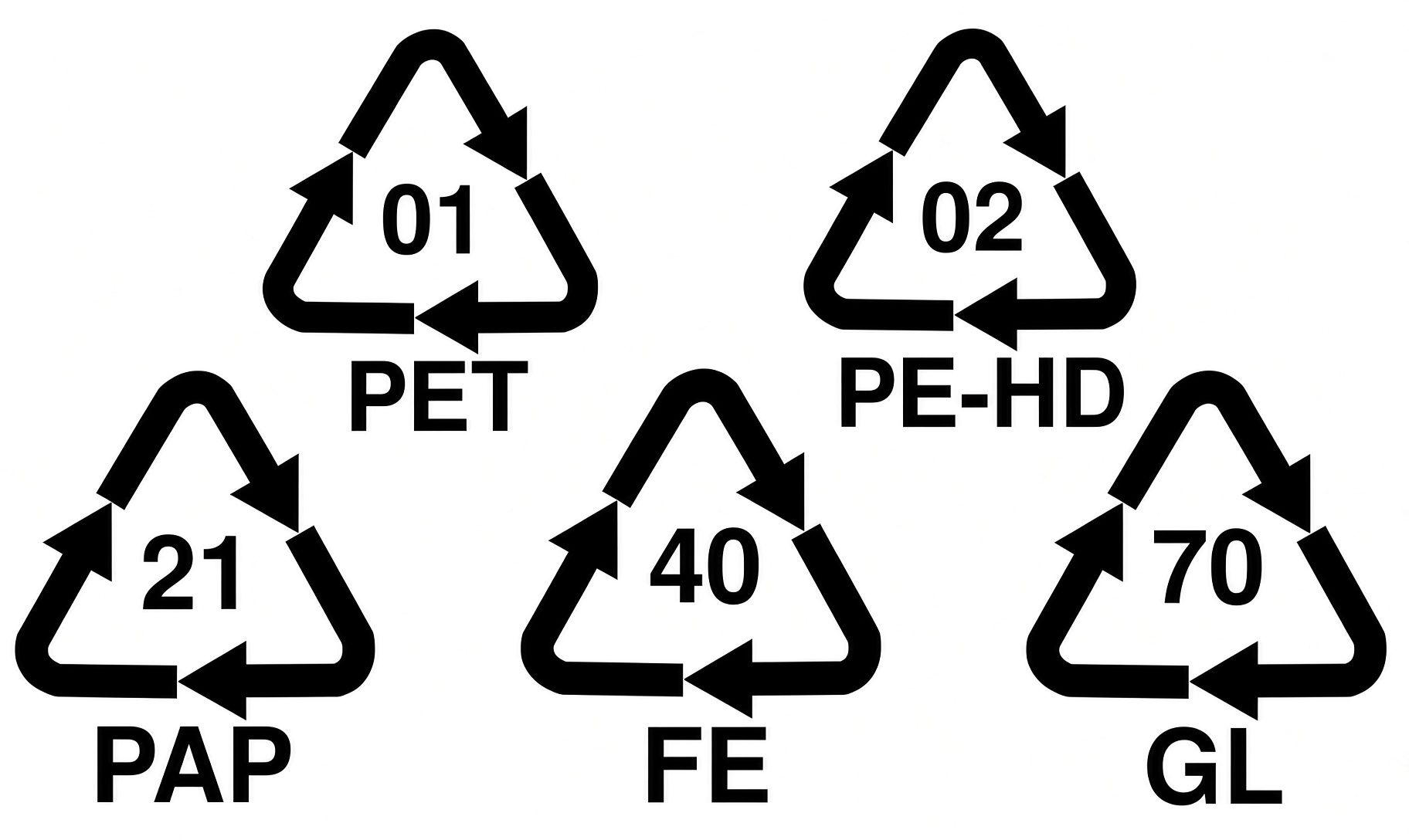
Requirement 6: Communicate Packaging Reuse Information
Packaging intended for reuse must be labeled with information indicating its reuse possibility within 48 months of the regulation's effective date. Additionally, packaging must include a visible, permanent QR code (or other digital support) to provide more detailed information about reuse possibilities.
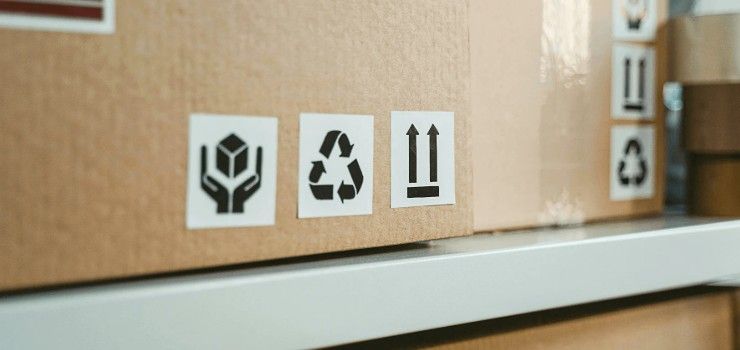
Requirement 7: Ensure Reuse of Transport Packaging From January 1, 2030, companies transporting products using transport packaging such as pallet packaging, strapping bands, etc., must ensure that 10% of their transport packaging is reusable. From January 1, 2040, this requirement will increase to 30%.

Si
milarly, companies using transport packaging such as pallets, plastic crates, collapsible plastic boxes, barrels, and drums are responsible for ensuring 30% of their transport packaging is reusable from January 1, 2030. By January 1, 2040, this percentage will further increase to 90%.
Requirement 8: EU Declaration of Conformity for Packaging
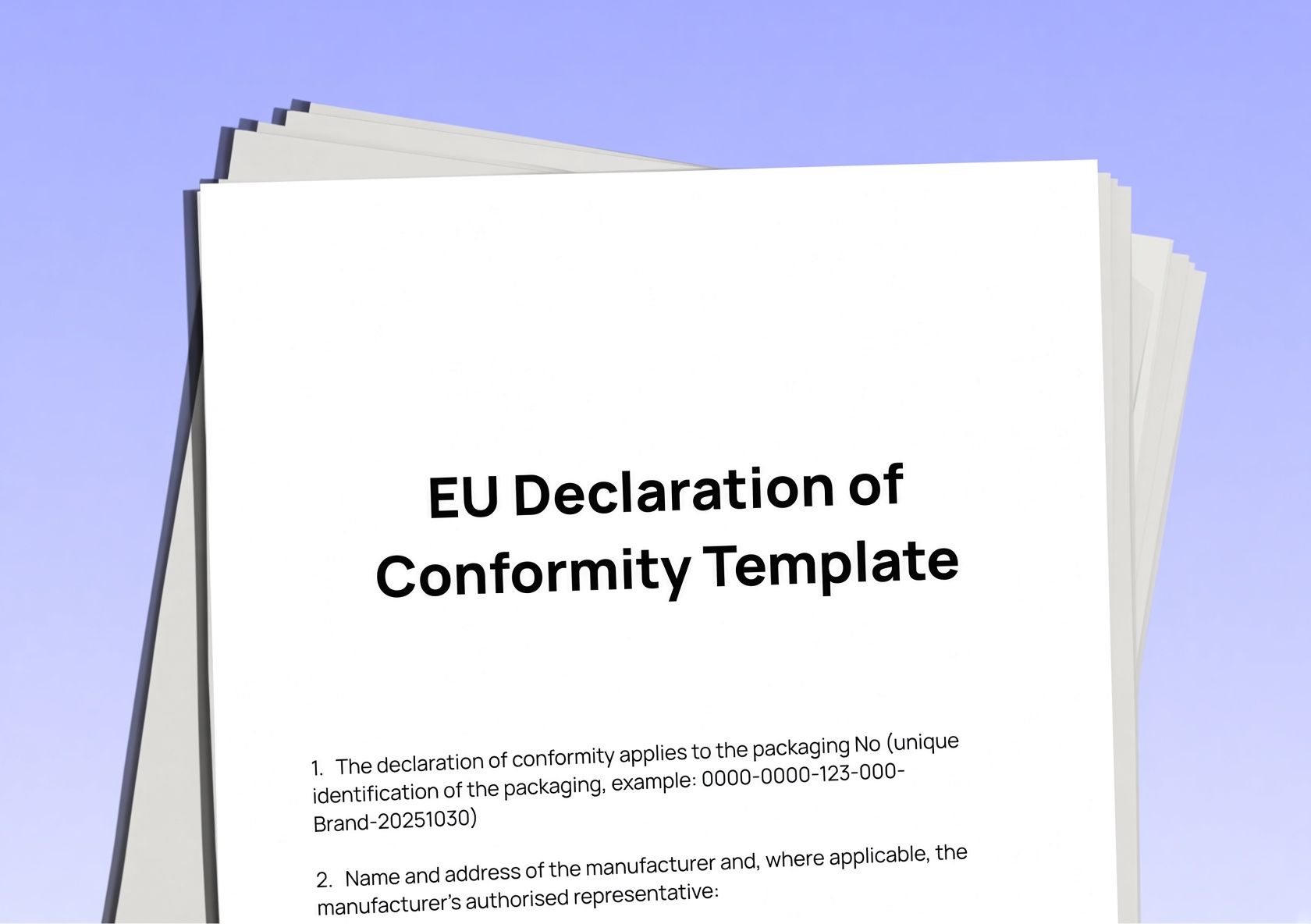 Suppliers of packaging or packaging materials are obliged to provide manufacturers with comprehensive information and documentation (in paper or electronic format). This provision is essential for manufacturers to demonstrate compliance with the requirements outlined in the PPWR.
Requirement 9: Member States Must Reduce Packaging Waste Quantities
Countries are required to reduce the amount of packaging waste generated per capita in stages, with each EU member state aiming for a gradual reduction compared to 2018 levels:
A 5% reduction in waste per capita by 2030
A 10% reduction in waste per capita by 2035
A 15% reduction in waste per capita by 2040
Requirement 10: Countries Must Achieve Recycling Targets
By December 31, 2025, at least 65% (by weight) of all generated packaging waste must be recycled.
By December 31, 2030, at least 70% (by weight) of all generated packaging waste must be recycled.