Top Trends in Chinese Industrial Packing Materials You Need to Know

Introduction to Chinese Industrial Packing Materials
China, a global leader in manufacturing, is at the forefront of innovation in industrial packing materials. As industries strive for sustainability and efficiency, keeping up with the latest trends in this sector is crucial. This post explores the top trends in Chinese industrial packing materials that are shaping the market today.
From eco-friendly solutions to advanced technological integration, Chinese companies are pushing boundaries to meet global demands. These trends not only impact the domestic market but also have significant implications for international trade and commerce.
Sustainability and Eco-Friendly Materials
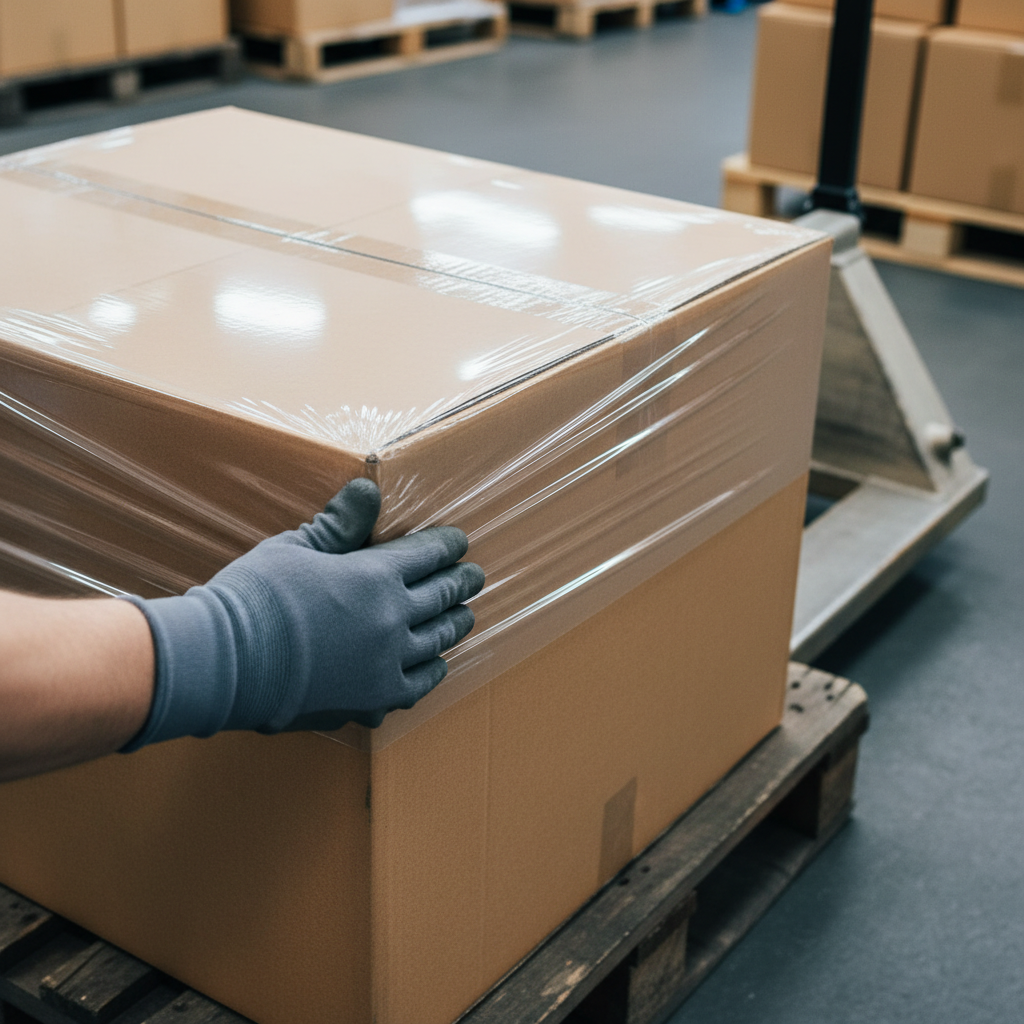
One of the most significant trends in Chinese industrial packing materials is the shift towards sustainability. Businesses are increasingly using biodegradable and recyclable materials to reduce their environmental footprint. This shift is driven by both regulatory pressures and consumer demand for greener products.
Innovations in materials such as plant-based plastics and recycled paper products are becoming mainstream. These materials not only meet ecological standards but also maintain the durability and reliability required for industrial applications.
Government Policies Supporting Green Initiatives
The Chinese government has implemented policies to support sustainable practices. Incentives for using eco-friendly materials and strict regulations on waste management are encouraging manufacturers to adopt greener solutions. This regulatory environment is propelling the industry towards more sustainable practices.

Technological Advancements in Packing Materials
Technological innovation is another major trend influencing China's industrial packing materials sector. The integration of smart technologies like IoT and AI into packing solutions is enhancing efficiency and functionality.
These technologies enable real-time tracking and monitoring, ensuring better supply chain management. Enhanced security features are also being integrated, providing an additional layer of protection against tampering and theft.
Automation and Efficiency
Automation plays a crucial role in the evolution of packing materials. Automated systems are being used to increase production efficiency and reduce human error. The use of robotics in packing line operations is becoming more prevalent, allowing for faster and more precise packing processes.

Customization and Personalization
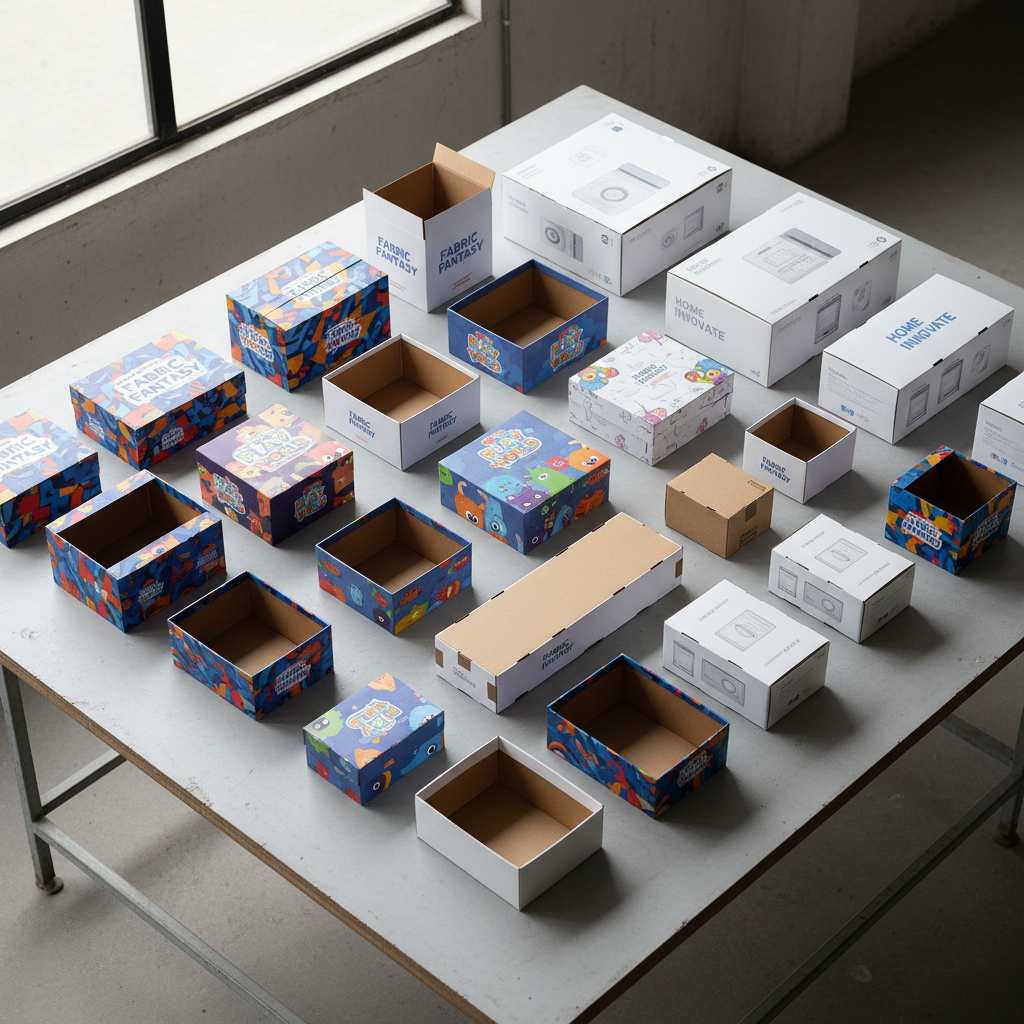
Another trend reshaping the industry is the demand for customization and personalization. As businesses aim to improve brand identity and customer engagement, tailor-made packing solutions are gaining popularity.
Companies are investing in technologies that allow for customizable designs and branding on packing materials. This trend is particularly prevalent in sectors like e-commerce and luxury goods, where unique customer experiences are paramount.
Impact on Consumer Perception
Customized packing materials significantly impact consumer perception and brand loyalty. By offering personalized experiences, businesses can strengthen their brand image and foster a deeper connection with their customers.
Conclusion
In conclusion, the Chinese industrial packing materials sector is undergoing significant transformations driven by sustainability, technology, and customization. These trends are not only shaping the domestic market but also influencing global standards in industrial packing.
Staying informed about these trends is essential for businesses looking to remain competitive in the ever-evolving industrial landscape. As China continues to innovate, the global impact of these advancements will undoubtedly be profound.