Sustainable Transport Packaging Trends in China: Innovations by Jingpak

Introduction to Sustainable Transport Packaging
As environmental concerns continue to grow globally, sustainable practices have become a priority in various industries. In China, a leader in manufacturing and logistics, companies are exploring innovative solutions to minimize their carbon footprint. One such company, Jingpak, is at the forefront of sustainable transport packaging.
Jingpak is revolutionizing the packaging industry by developing environmentally-friendly packaging solutions that meet the needs of modern businesses. Their focus on sustainability not only helps reduce waste but also enhances the overall efficiency of supply chains.

Biodegradable Materials
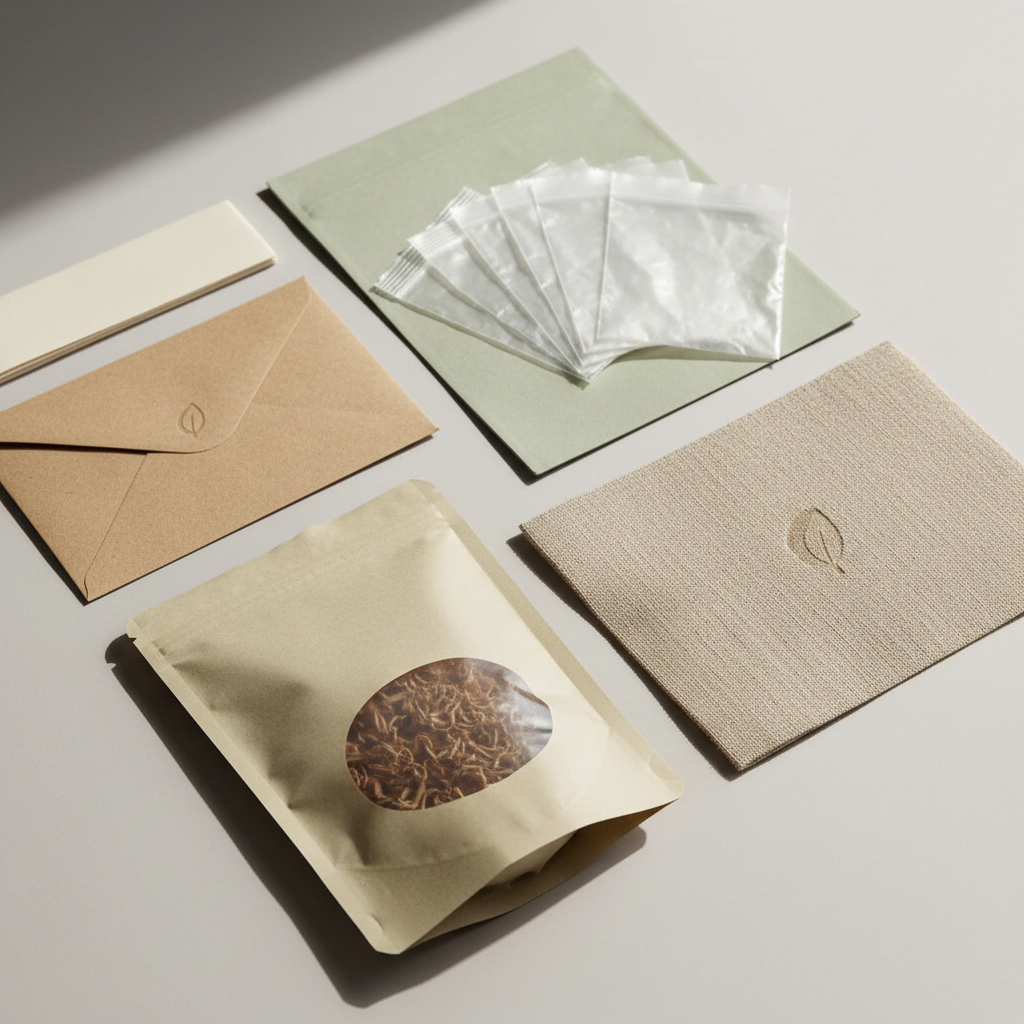
A key trend in sustainable transport packaging is the use of biodegradable materials. Jingpak has invested in research and development to create packaging materials that break down naturally without leaving harmful residues. These materials are designed to maintain durability while ensuring environmental safety.
By replacing traditional plastics with biodegradable alternatives, Jingpak is setting a new standard in the packaging industry. This innovation not only helps in reducing landfill waste but also aligns with global efforts to combat pollution.
Types of Biodegradable Materials
Jingpak utilizes several types of biodegradable materials, including:
- Plant-based Polymers: Derived from renewable resources.
- Starch-based Materials: Easily compostable and sustainable.
- Recycled Paper: Reduces reliance on virgin materials.
Reusable Packaging Solutions
Another significant trend is the emphasis on reusable packaging solutions. Jingpak offers innovative designs that can be reused multiple times, significantly reducing the need for single-use packaging. This approach not only conserves resources but also provides cost savings for businesses in the long run.
Reusable packaging solutions are especially beneficial for industries with high transport and logistics demands. By implementing such solutions, companies can enhance their sustainability credentials while maintaining operational efficiency.
Benefits of Reusable Solutions
Some of the key benefits of adopting reusable packaging include:
- Cost Efficiency: Reduces repetitive packaging expenses.
- Environmental Impact: Lowers overall carbon emissions.
- Durability: Designed to withstand multiple transport cycles.

Smart Packaging Technologies
Jingpak is also pioneering the integration of smart technologies in transport packaging. By embedding sensors and IoT devices, they provide real-time tracking and monitoring of shipments. This innovation ensures product safety and enhances supply chain transparency.
Smart packaging not only optimizes logistics but also reduces waste by providing accurate data to improve inventory management. This technological advancement is a game-changer for businesses looking to boost both efficiency and sustainability.
Future Prospects
The future of sustainable transport packaging in China looks promising, with Jingpak leading the charge. As more companies recognize the importance of eco-friendly practices, innovations in this field are expected to grow exponentially. Supporting these trends will not only benefit the environment but also drive economic growth.
In conclusion, the innovations by Jingpak in sustainable transport packaging demonstrate a commitment to environmental responsibility and efficiency. By embracing biodegradable materials, reusable solutions, and smart technologies, they are setting an example for other companies to follow.