Seasonal Packaging Tips: Preparing Your Shipments for Winter Conditions


Understanding Winter Challenges
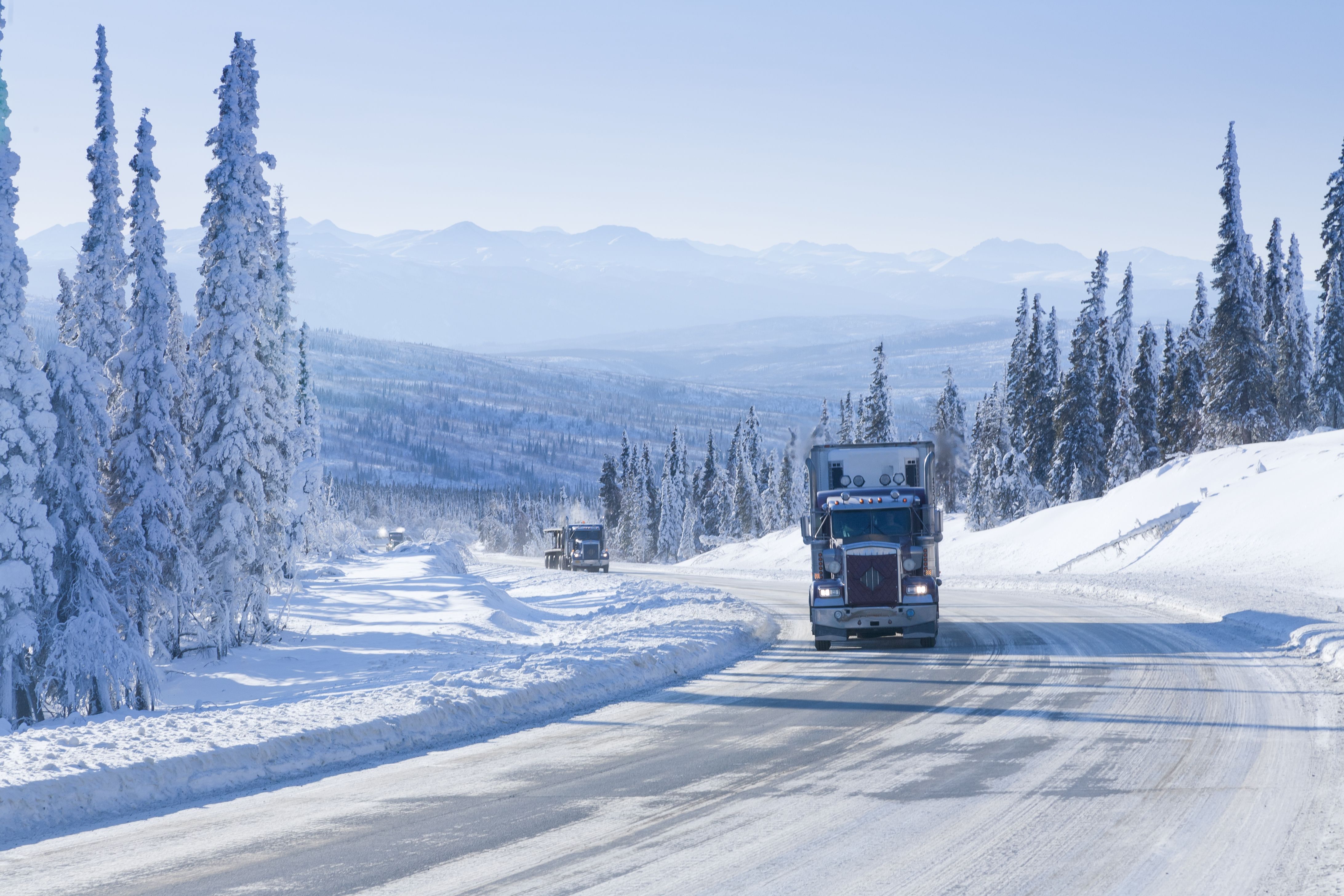
Winter brings a unique set of challenges for shipping, from freezing temperatures to snow and ice. These conditions can affect the integrity of your packages, making it crucial to adjust your packaging strategies accordingly. Preparing your shipments for winter conditions is essential to ensure that your products arrive safely and in perfect condition.
Choosing the Right Materials
The materials you choose for packaging can make a significant difference in protecting your shipments during winter. Opt for insulated packaging to keep your products safe from extreme temperatures. Materials such as foam inserts or thermal wraps can provide an extra layer of protection against the cold.
Additionally, consider using water-resistant packaging to prevent moisture damage from snow or rain. Corrugated boxes with a water-resistant coating can help keep your items dry and secure.
Sealing and Reinforcement
Proper sealing is crucial in winter conditions to prevent moisture and cold air from entering your packages. Use strong, weather-resistant tape to seal all seams and edges. Reinforce your packages with additional tape on corners and other vulnerable areas to ensure they remain intact during transit.
Labeling and Handling Instructions
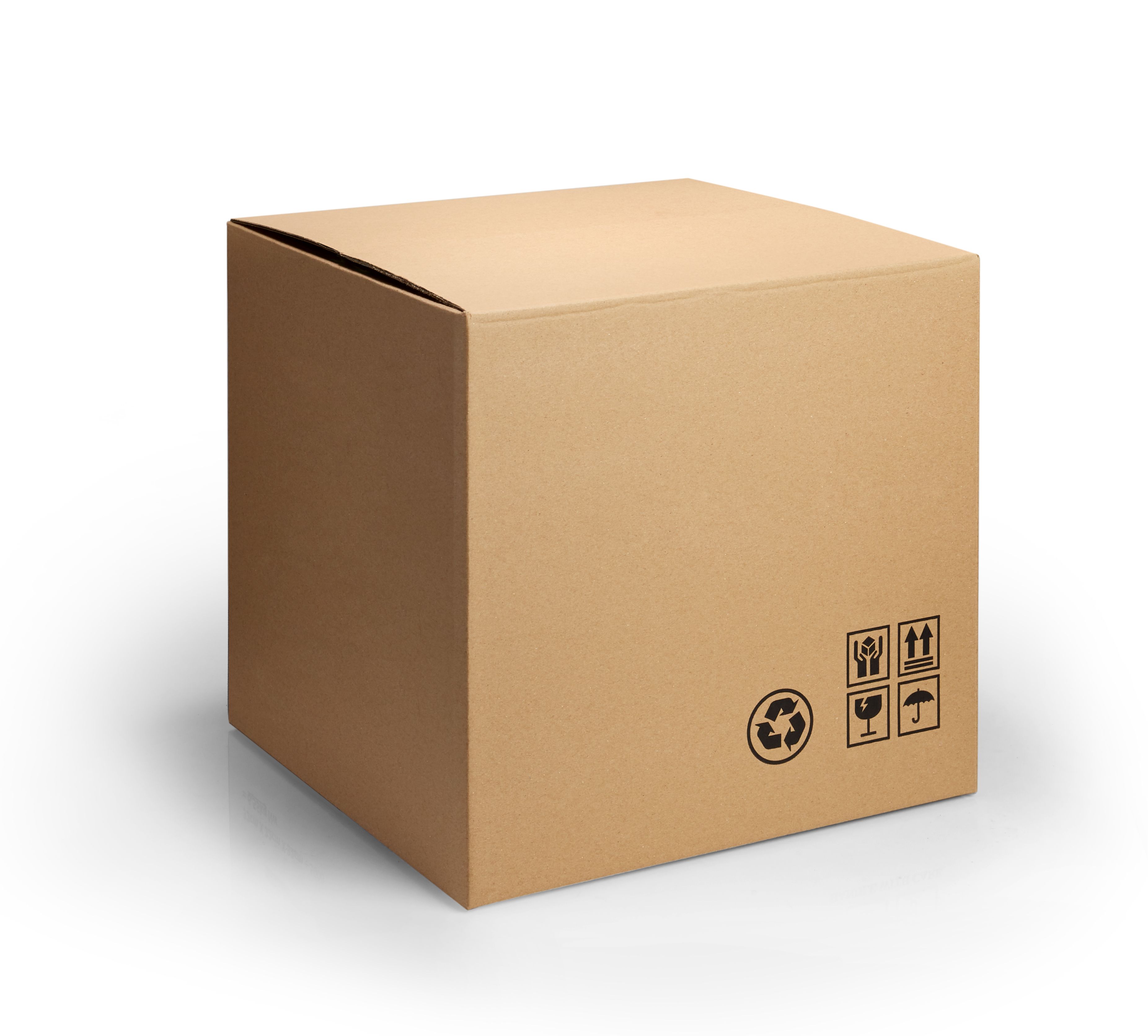
Clear labeling is essential for winter shipments. Ensure that your packages are labeled with handling instructions such as "Keep Dry" or "This Side Up." These labels help carriers understand how to handle your packages properly, reducing the risk of damage.
Consider using bold, weather-resistant labels to ensure they remain legible even in snowy or wet conditions. This step can prevent mishandling and ensure that your packages reach their destination safely.
Tracking and Communication
Winter weather can lead to unexpected delays. Utilize tracking services to monitor the progress of your shipments and stay informed about any potential issues. Communicate with your customers about possible delays and provide them with tracking information to keep them updated.

Temperature-Sensitive Shipments
If you're shipping temperature-sensitive items, consider using temperature-controlled packaging. This could include gel packs or insulated containers to maintain the desired temperature throughout the journey. Maintaining a consistent temperature is crucial for perishable goods, pharmaceuticals, or electronics.
It's also wise to schedule your shipments early in the week to avoid weekend delays, which can expose temperature-sensitive items to extreme conditions for extended periods.
Partnering with Reliable Carriers
Choose shipping partners who have experience handling winter conditions. Reliable carriers understand the challenges posed by winter weather and have the resources to manage potential disruptions. Building a relationship with a trusted carrier can provide peace of mind when shipping during the colder months.
By implementing these seasonal packaging tips, you can ensure that your shipments remain safe and secure, regardless of winter's challenges. A little extra preparation can go a long way in maintaining customer satisfaction and protecting your business's reputation.