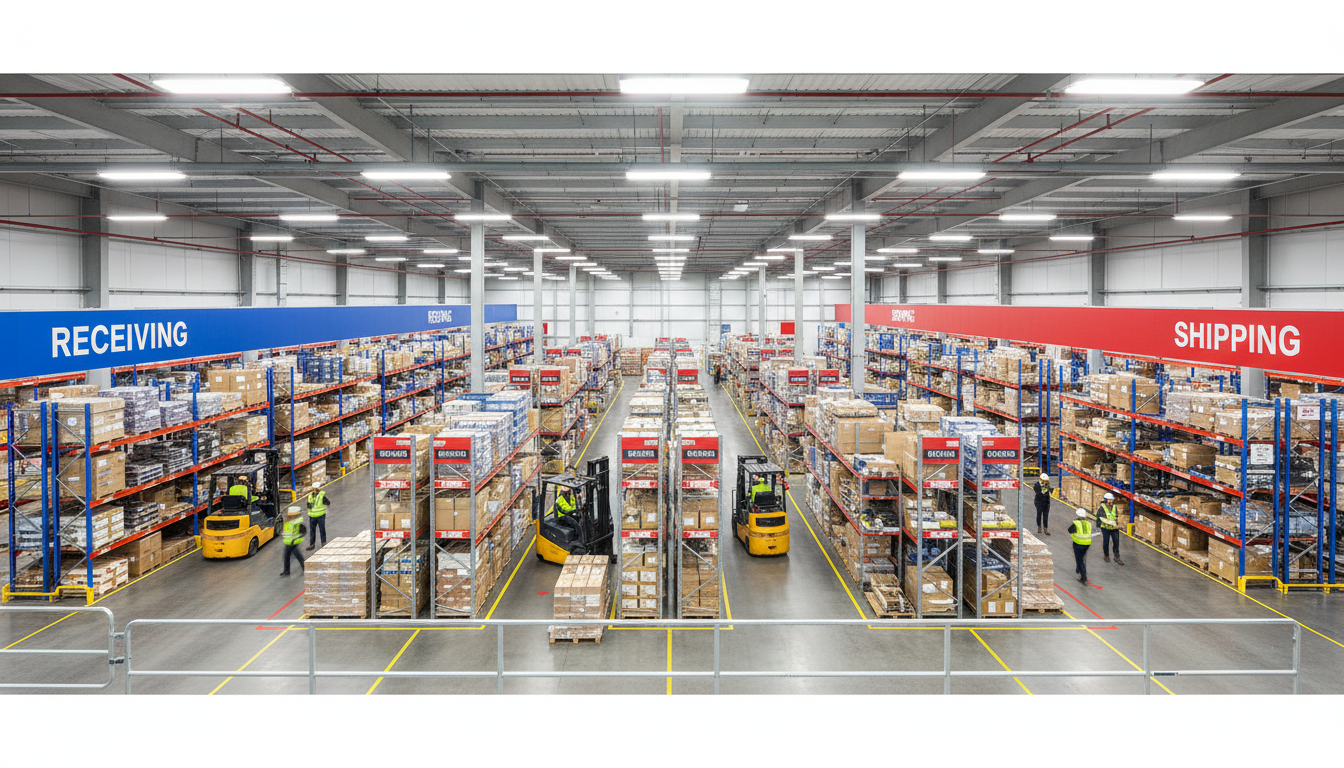
Mastering Supply Chain Management Solutions for Efficient Transport Packaging

Understanding the Basics of Supply Chain Management
Supply chain management (SCM) is a crucial component for businesses aiming to optimize their logistics and packaging processes. An efficient supply chain ensures that products are delivered on time, at the lowest cost, and with minimal waste. This involves a complex network of suppliers, manufacturers, and distributors working in harmony.
Effective SCM requires a strategic approach, focusing on both the macro and micro aspects of logistics. From sourcing raw materials to delivering finished goods, every step must be meticulously planned and executed. By mastering SCM, companies can enhance their competitiveness and improve customer satisfaction.
Key Elements of Transport Packaging
Transport packaging is an integral part of SCM, designed to protect goods during transit. It involves selecting the right materials and methods to ensure products arrive undamaged. Good transport packaging minimizes costs and environmental impact while maximizing product protection.
There are several factors to consider when designing transport packaging. These include the nature of the product, transportation modes, and environmental conditions. By addressing these elements, businesses can prevent damage and reduce returns, leading to cost savings and increased efficiency.

Innovative Packaging Solutions
Innovation in packaging is key to staying ahead in the competitive market. New materials and technologies are continually being developed to enhance packaging efficiency. For example, smart packaging solutions with tracking capabilities help monitor the condition and location of goods in real-time, offering transparency and control.
Moreover, sustainable packaging options are gaining traction. Eco-friendly materials not only reduce environmental impact but also appeal to environmentally conscious consumers. By investing in innovative packaging solutions, companies can improve their brand image and foster customer loyalty.

Challenges in Supply Chain Management
Despite the benefits, SCM is fraught with challenges. Globalization, fluctuating demand, and regulatory compliance are some of the issues businesses face. Additionally, disruptions such as natural disasters or pandemics can severely impact supply chains, emphasizing the need for resilience and adaptability.
To navigate these challenges, companies must employ robust risk management strategies. This includes diversifying suppliers, investing in technology, and maintaining clear communication channels throughout the supply chain. By doing so, businesses can mitigate risks and ensure continuity.

Leveraging Technology for SCM
Technology plays a pivotal role in modern SCM. Automation, artificial intelligence, and data analytics are transforming how businesses manage their supply chains. These technologies provide valuable insights, streamline operations, and reduce human error.
For instance, predictive analytics can forecast demand, allowing companies to adjust production and inventory levels accordingly. Automation in warehousing and transportation facilitates faster and more accurate processes, leading to increased efficiency and cost savings.

Steps to Enhance Supply Chain Efficiency
Improving supply chain efficiency requires a comprehensive approach. Companies should start by conducting a thorough analysis of their current processes to identify areas for improvement. This can be followed by implementing best practices and continuously monitoring performance.
- Optimize inventory management to reduce holding costs.
- Strengthen supplier relationships to ensure reliability.
- Invest in employee training to enhance skills and productivity.
- Utilize technology for real-time tracking and data analysis.
By following these steps, businesses can achieve a more efficient supply chain, leading to better service delivery and increased profitability.