Innovations in Chinese Industrial Packing Materials: What You Need to Know

Overview of Innovations in Chinese Industrial Packing Materials
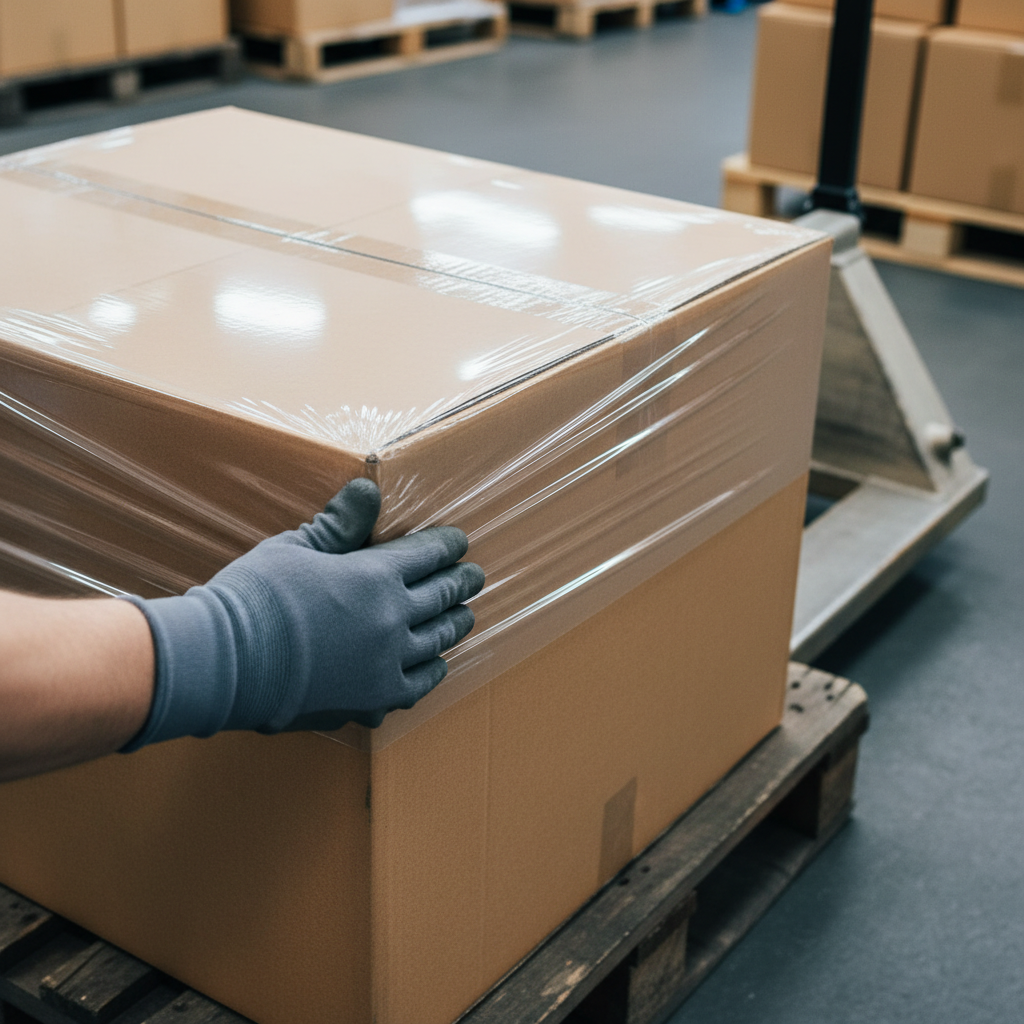
The landscape of industrial packing materials in China has experienced a remarkable transformation. With rapid advancements and a focus on sustainability, Chinese manufacturers are setting new standards in the global market. This evolution is driven by the need to enhance packaging efficiency, reduce costs, and meet stricter environmental regulations.
One of the most significant innovations is the integration of smart technology into packing materials. This not only improves tracking and management but also enhances product safety and quality. As a result, businesses can now monitor their shipments in real-time, ensuring timely delivery and minimizing losses.
Sustainable Materials and Practices
Sustainability is at the forefront of the packaging revolution in China. Manufacturers are increasingly adopting eco-friendly materials such as biodegradable plastics and recycled paper. These materials not only reduce the environmental impact but also appeal to consumers who are becoming more environmentally conscious.
Furthermore, innovative practices such as using less material without compromising strength and durability are gaining traction. The focus is on reducing waste and conserving resources, which aligns with global sustainability goals.

Advancements in Packaging Design
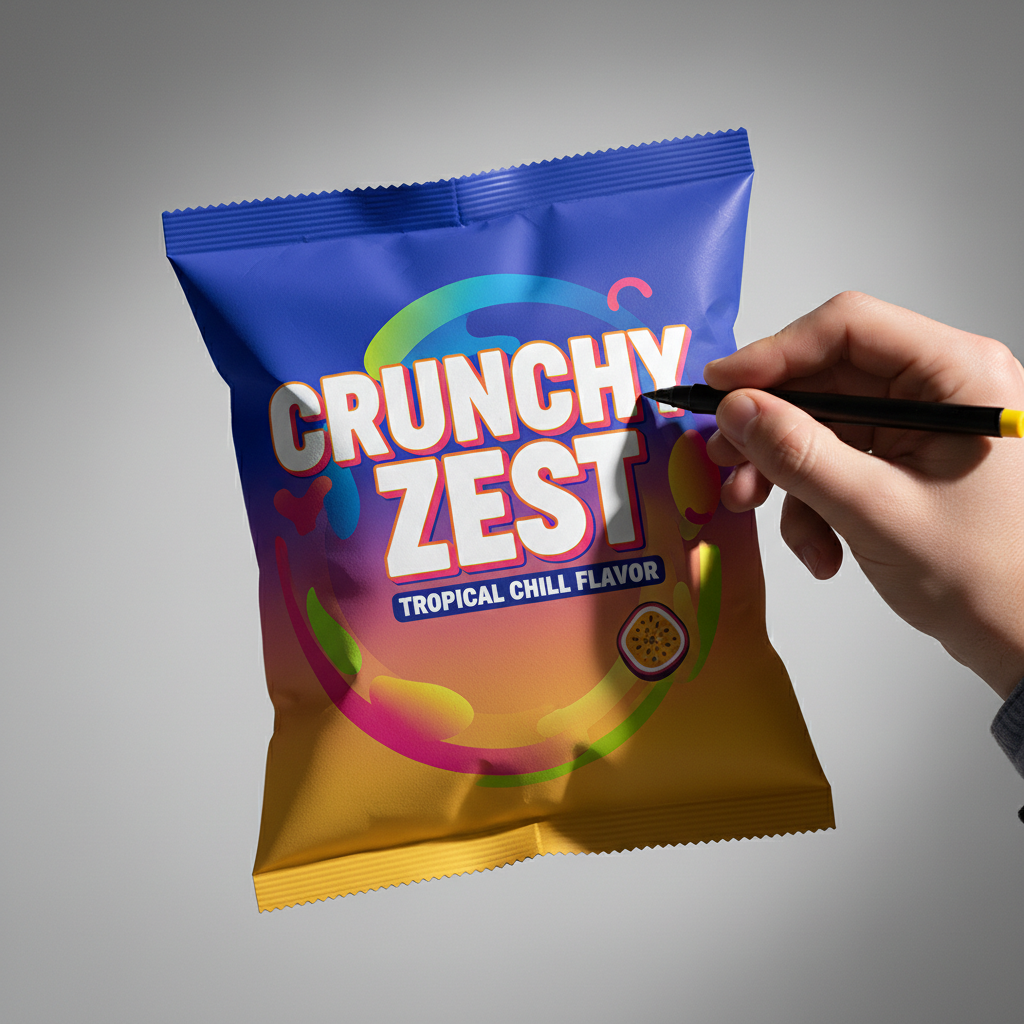
Chinese companies are making strides in packaging design, focusing on both aesthetics and functionality. Innovative designs are being employed to improve product protection and ease of use. For instance, customizable packaging solutions allow businesses to cater to diverse consumer preferences and enhance brand recognition.
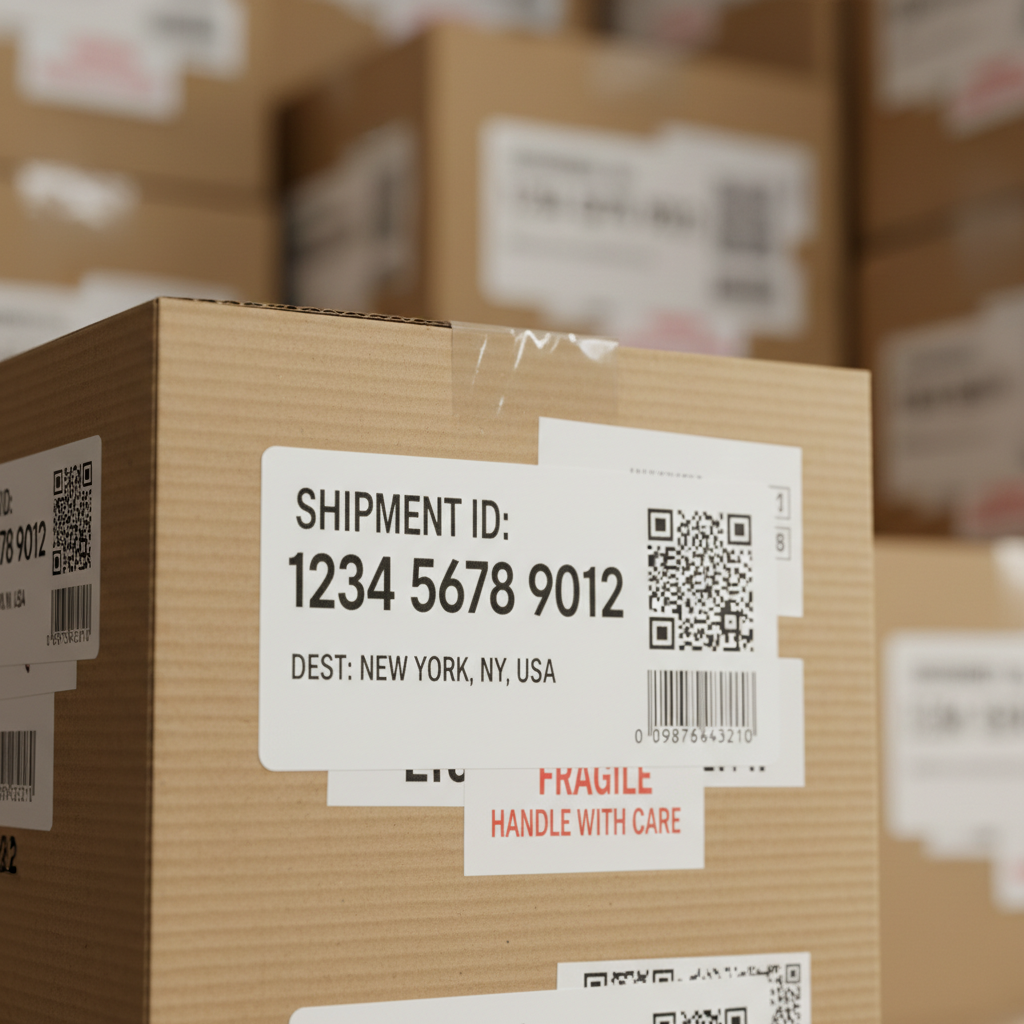
Moreover, smart packaging designs that incorporate QR codes and NFC technology provide consumers with additional information and interactive experiences, further enhancing customer engagement and satisfaction.
Impact of Technology on Manufacturing Processes
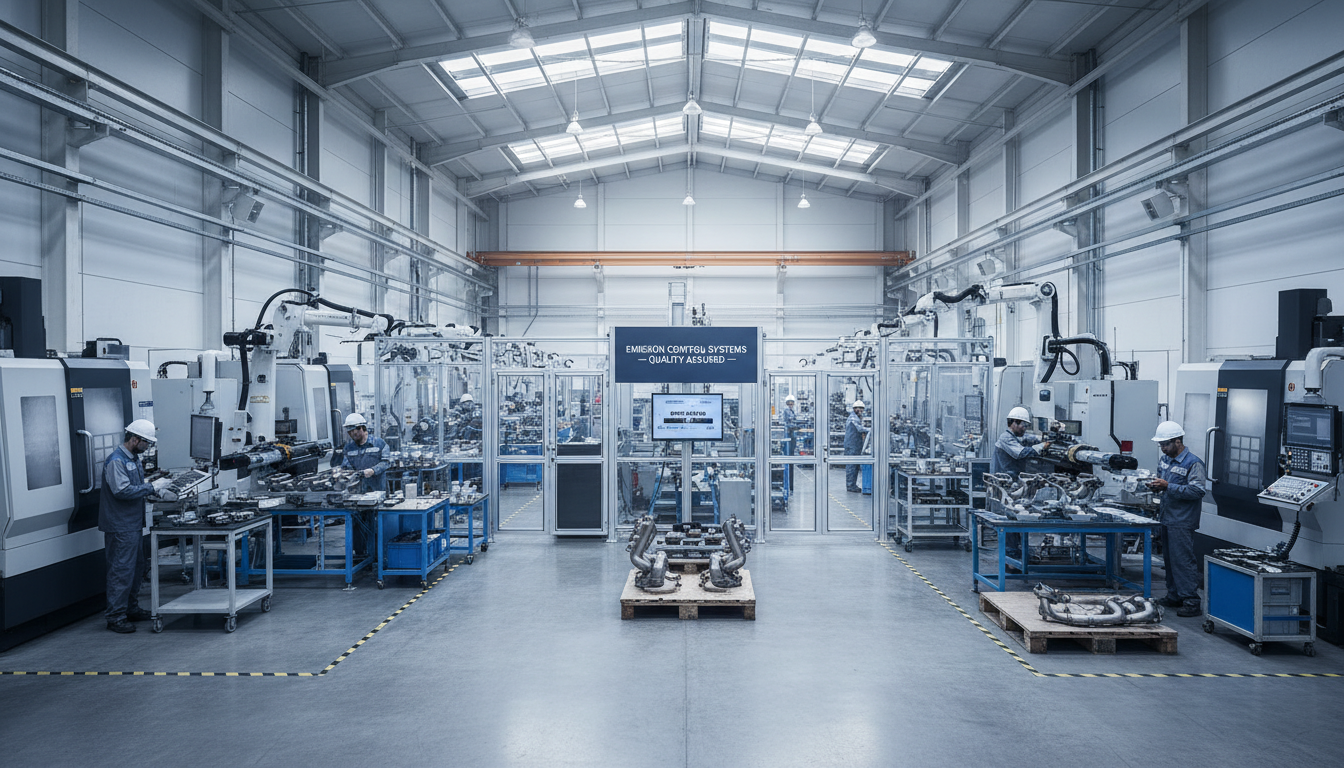
The integration of advanced technology in manufacturing processes is another significant development. Automation and robotics are being used to streamline production, reduce labor costs, and improve precision. This leads to higher quality products and faster turnaround times.
Additionally, the use of AI and data analytics in predicting demand and optimizing supply chain processes is becoming more prevalent. This not only enhances efficiency but also helps in making informed decisions, ultimately benefiting both manufacturers and consumers.
Challenges and Future Directions
Despite these innovations, challenges remain. The need for continuous improvement in material quality and cost reduction is critical. Moreover, adapting to changing regulations and consumer expectations requires ongoing research and development.
Looking ahead, the future of Chinese industrial packing materials will likely focus on further sustainability, enhanced functionality, and greater technological integration. As China continues to lead in this sector, global businesses can expect more innovative and efficient solutions emerging from the region.