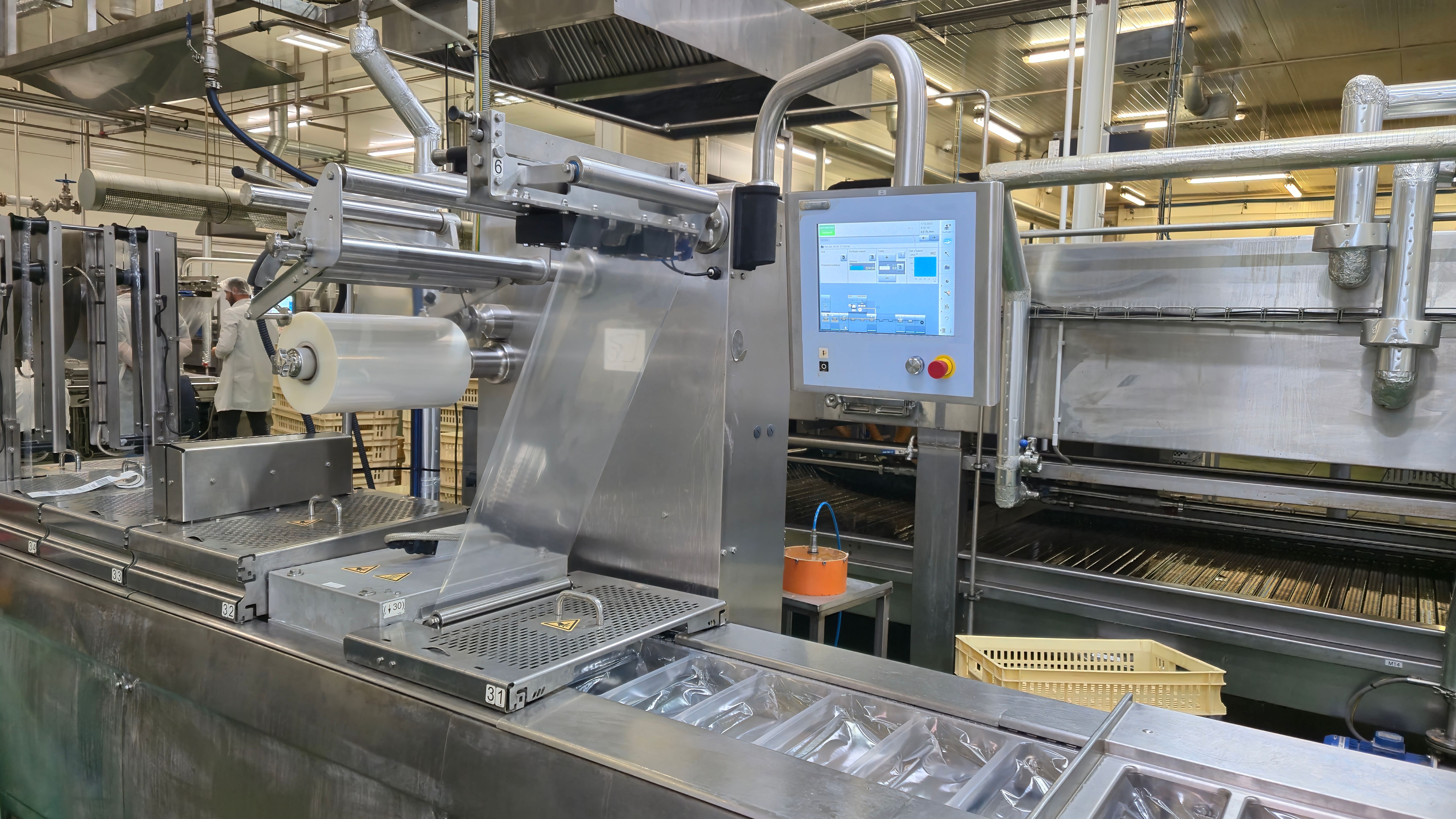
Innovations in Chinese Industrial Packing Materials: What’s New and What’s Next

The landscape of industrial packing materials in China is undergoing a remarkable transformation. Driven by technological advancements and environmental concerns, new innovations are making their way into the industry, promising enhanced efficiency and sustainability. In this blog post, we explore some of the latest trends and what the future holds for this crucial sector.
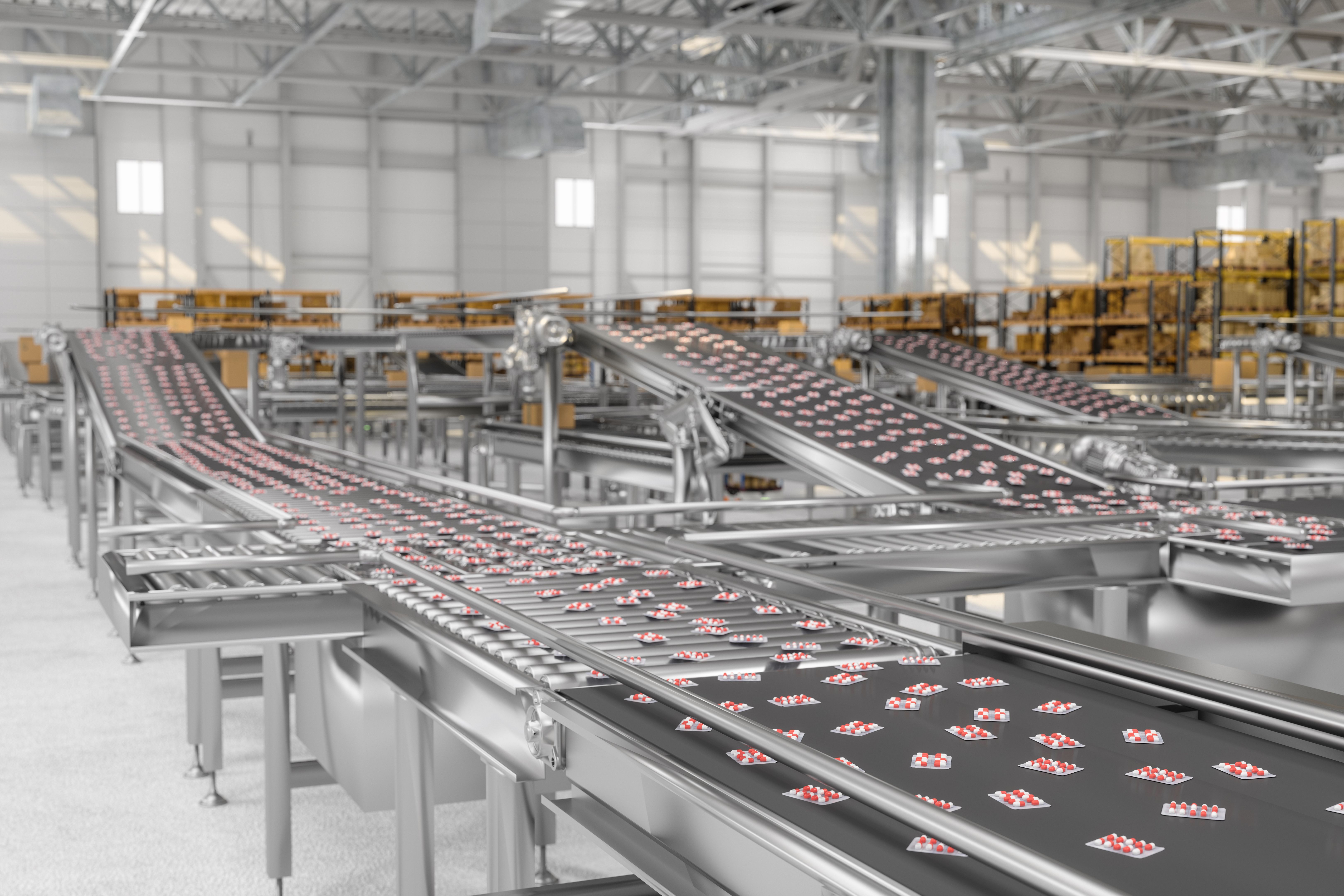
Biodegradable Materials: A Step Towards Sustainability
One of the most significant trends in Chinese industrial packing materials is the shift towards biodegradable options. With increasing pressure to reduce environmental impact, manufacturers are exploring materials that break down naturally. These materials are designed to maintain the strength and durability required for industrial use while offering an eco-friendly alternative to traditional plastics.
Innovators are experimenting with organic compounds derived from plants and other renewable resources. This not only reduces the reliance on fossil fuels but also cuts down on waste. The growing acceptance of biodegradable packaging solutions is a promising sign for the industry’s sustainable future.
Recyclable Innovations
Recyclability remains a priority in the development of packing materials. Chinese companies are investing in materials that can be easily recycled, thus encouraging a circular economy. The focus is on creating packaging that not only protects products but also supports long-term environmental goals.

Smart Packaging: The Future of Industrial Packing
The integration of technology into packing materials is another exciting development. Smart packaging solutions are emerging, offering features like tracking and monitoring. These materials include sensors that provide real-time data on the condition of the package and its contents, ensuring quality control throughout the supply chain.
Such innovations cater to industries where maintaining the integrity of the goods is paramount, such as pharmaceuticals and food. The ability to monitor temperature, humidity, and other factors in real-time is revolutionizing how businesses manage their logistics.
Nanotechnology in Packing Materials
Nanotechnology is playing a critical role in enhancing the properties of packing materials. By manipulating materials at the molecular level, manufacturers are achieving unprecedented levels of strength, flexibility, and resistance to environmental factors. This innovation is particularly useful for industrial applications that demand robust packaging solutions.
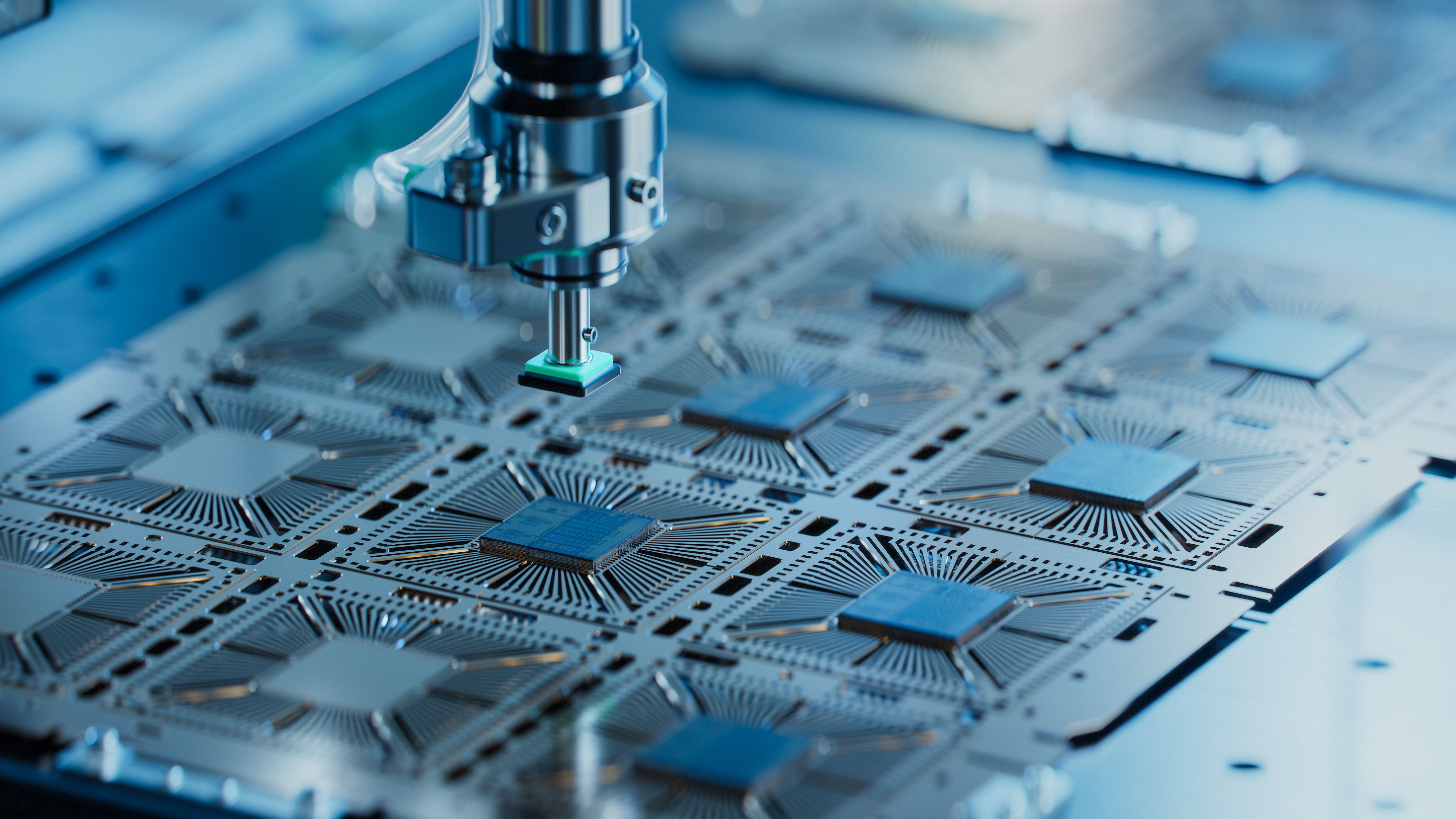
The Role of Automation and AI
Automation and artificial intelligence are becoming integral to the production of packing materials. These technologies streamline manufacturing processes, reduce costs, and minimize human error. Automated systems can produce packing materials with greater precision and efficiency, meeting the demands of a rapidly growing market.
AI is also being used to design more effective packing solutions, analyzing data to create materials tailored to specific industry needs. This data-driven approach ensures that innovations are not only cutting-edge but also meet practical requirements.
What’s Next for Chinese Industrial Packing Materials?
The future of Chinese industrial packing materials looks promising, with continuous innovations on the horizon. As sustainability and efficiency remain top priorities, we can expect further developments in biodegradable and recyclable materials. Additionally, the integration of technology will likely expand, offering even more sophisticated solutions.
Overall, the Chinese packing industry is setting a benchmark for global standards, emphasizing the importance of innovation in addressing environmental challenges and enhancing industrial processes.