How to Choose the Best Eco-Friendly Packaging for Your Business


Understanding the Importance of Eco-Friendly Packaging
As businesses become more conscious of their environmental impact, choosing eco-friendly packaging has become a crucial step in sustainability efforts. Not only does it reduce waste, but it also resonates with consumers who prioritize environmental responsibility. Adopting sustainable packaging can enhance your brand’s image, reduce your carbon footprint, and potentially save costs in the long run.
Eco-friendly packaging options vary widely, and selecting the right one depends on several factors, including your product type, budget, and brand values. This guide will help you navigate the choices and find the best fit for your business.
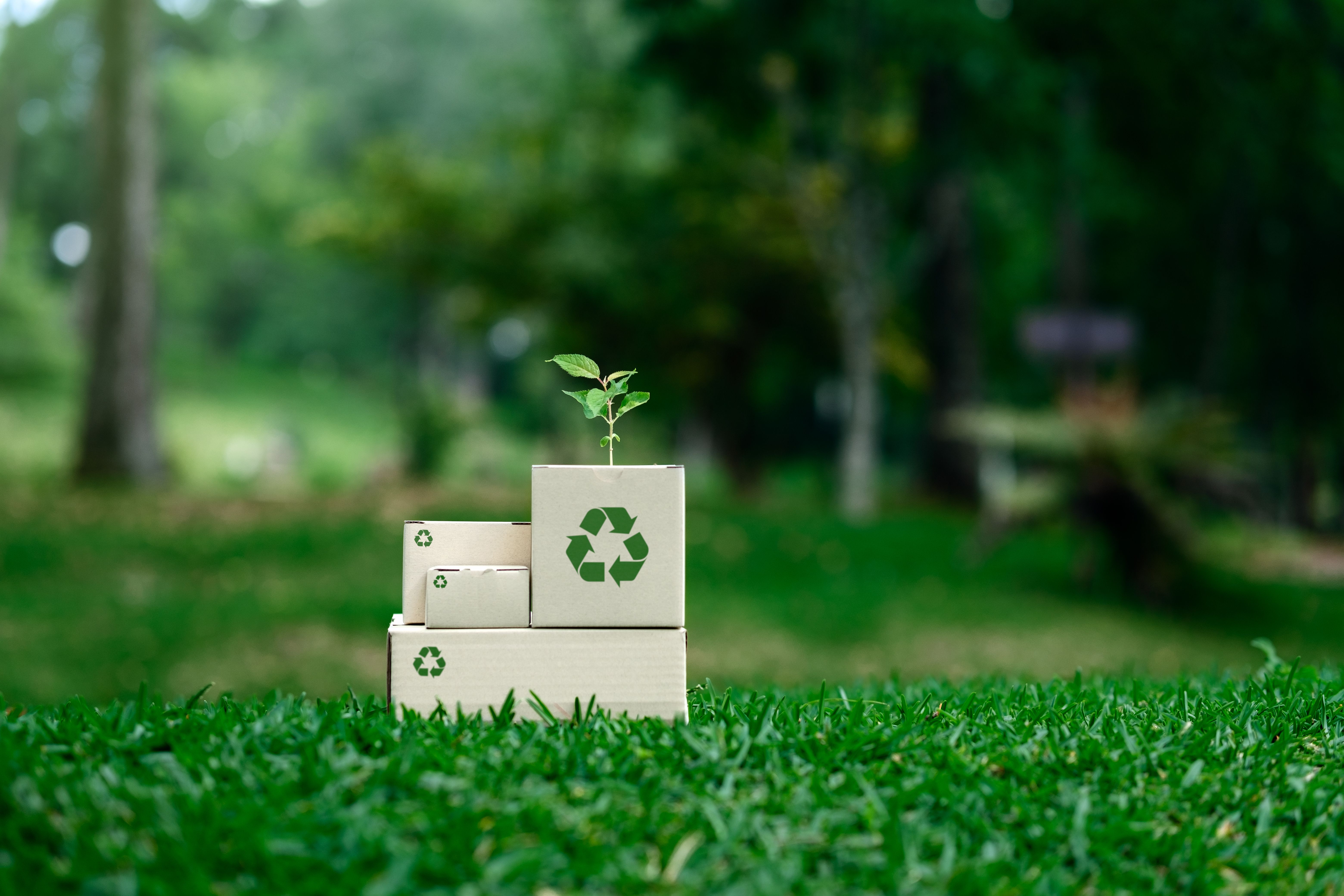
Materials Matter: Choosing Sustainable Options
When selecting eco-friendly packaging, the material is a critical factor. Some popular sustainable materials include:
- Recycled Paper and Cardboard: These materials are biodegradable and widely recyclable, making them an excellent choice for many products.
- Bioplastics: Derived from renewable sources like corn starch, bioplastics break down more easily than conventional plastics.
- Glass: Although heavier, glass is fully recyclable and can be reused multiple times without losing quality.
- Metal: Aluminum and other metals are durable, recyclable, and offer a sleek look.
Consider the lifecycle of the material and its end-of-life impact when making your decision.
Functionality and Design
While eco-friendliness is crucial, packaging must also protect your product and appeal to consumers. Ensure your chosen material is suitable for your product in terms of durability, size, and design flexibility. Innovative designs can enhance functionality while minimizing material use.
Think about how the packaging can reflect your brand identity. A well-designed package not only attracts customers but also communicates your commitment to sustainability.
Cost Considerations
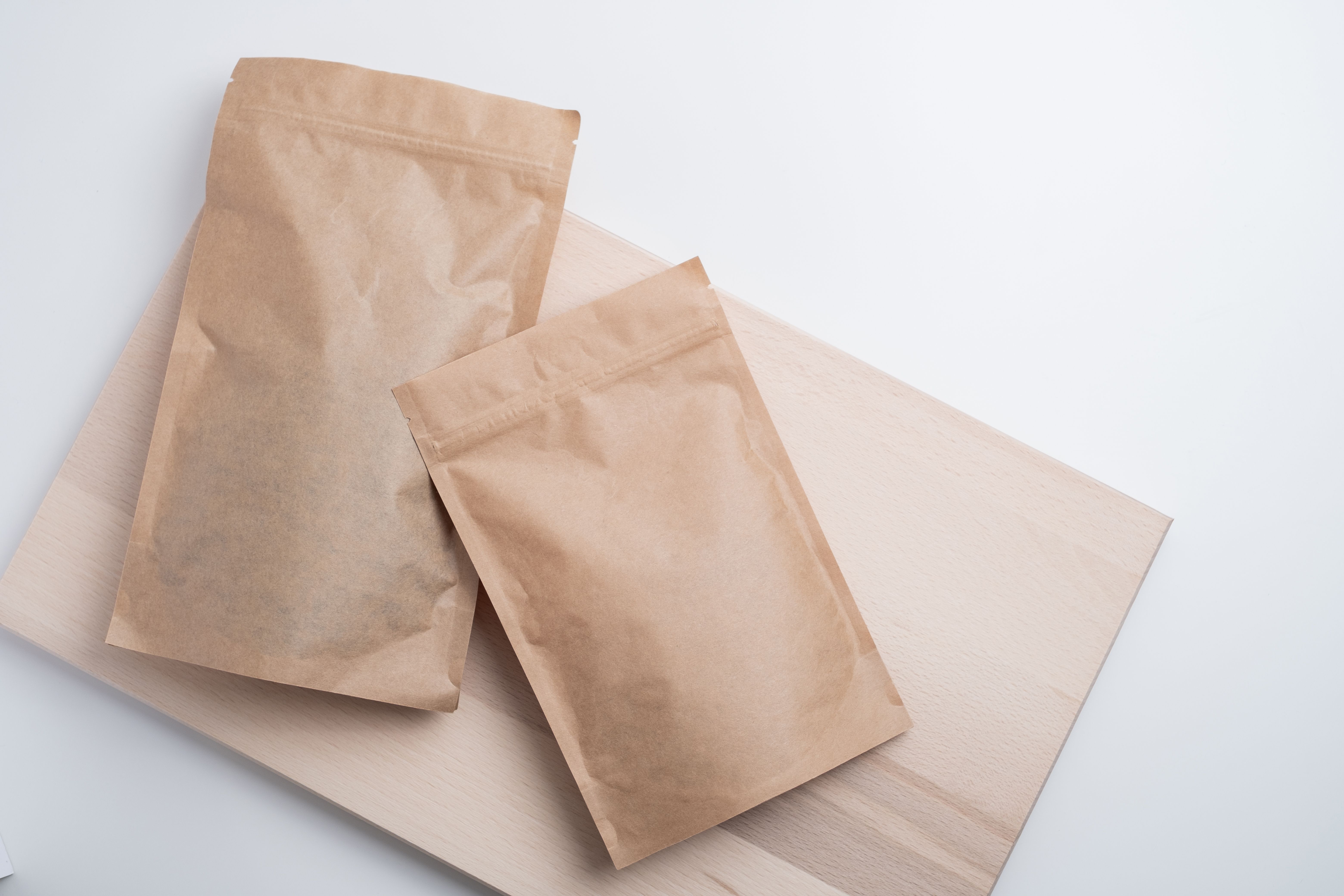
Budget is always a concern in business decisions. While eco-friendly packaging might have a higher upfront cost, it can offer savings through reduced material use and improved brand loyalty. Analyze the long-term benefits versus initial expenses to make a well-rounded decision.
Look for suppliers who offer competitive pricing on sustainable materials and consider bulk purchasing to reduce costs. Additionally, some governments provide incentives for businesses that adopt green practices, which can help offset costs.
Certifications and Standards
To ensure the authenticity of your eco-friendly packaging, look for certifications such as:
- Forest Stewardship Council (FSC): Ensures products come from responsibly managed forests.
- Cradle to Cradle: Certifies products that are safe, circular, and responsibly made.
- Biodegradable Products Institute (BPI): Recognizes compostable packaging.
These certifications provide assurance to consumers about the sustainability of your packaging choices.
Engaging with Your Audience
Once you've chosen your eco-friendly packaging, communicate your efforts to your audience. Highlight your packaging choices in marketing materials, on your website, and through social media. Transparency about your sustainability journey can enhance customer trust and loyalty.
Encourage customer feedback to continually improve your packaging strategy. Engage with your audience to understand their preferences and demonstrate your commitment to meeting their expectations.