Expert Tips for Maximizing the Longevity of Transport Packages


Understanding the Importance of Package Durability
In the world of logistics, the durability of transport packages is crucial. Ensuring that goods arrive in pristine condition not only enhances customer satisfaction but also reduces costs associated with returns and damages. By maximizing the longevity of transport packages, businesses can improve efficiency and boost their bottom line.
Several factors influence package durability, including material choice, design, and environmental conditions. By paying attention to these details, companies can extend the life of their packaging solutions and protect their products more effectively.
Choosing the Right Materials
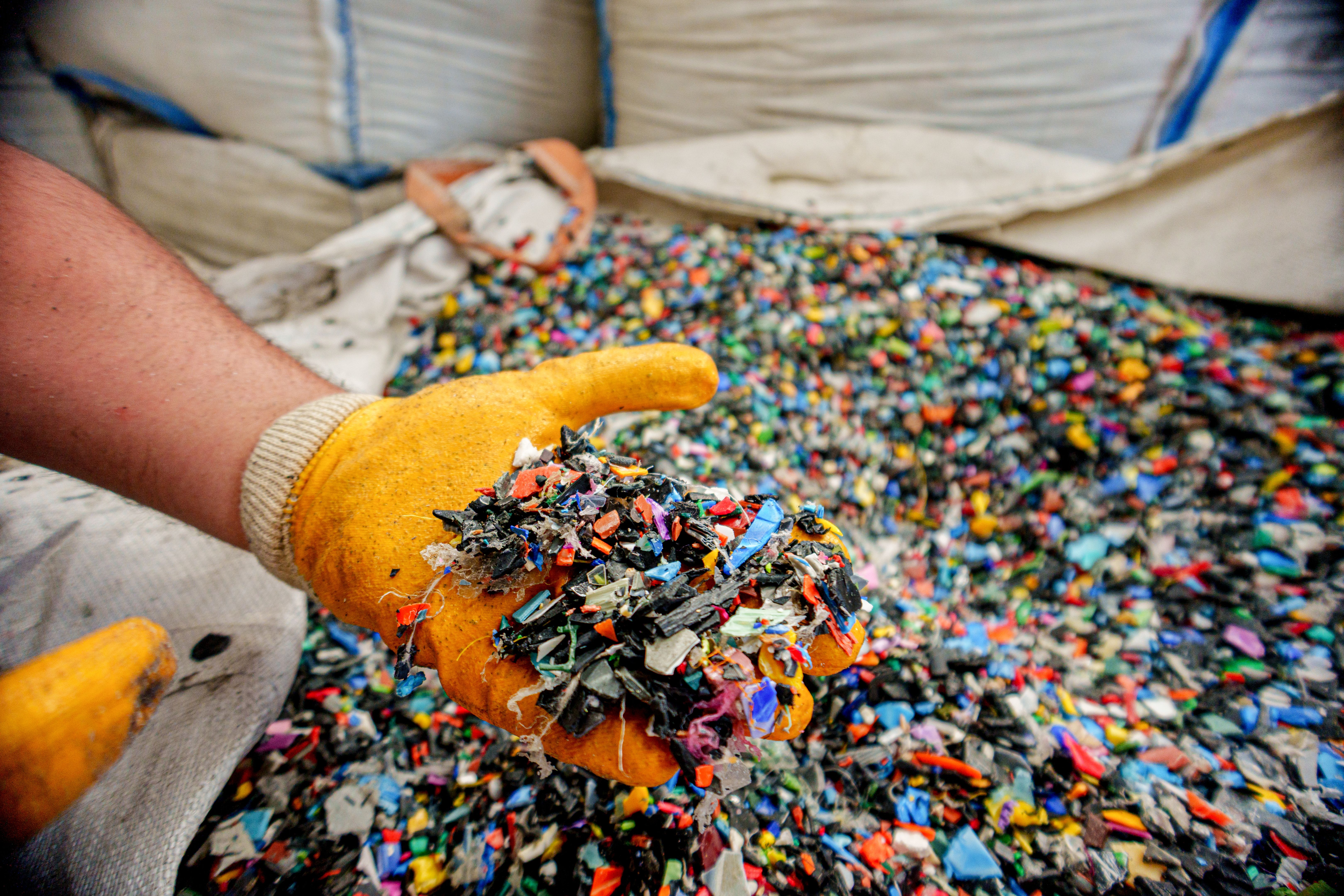
The foundation of any robust package starts with the right materials. Opt for high-quality, durable materials that can withstand the rigors of transportation. Corrugated cardboard, plastic, and metal are popular options, each offering unique benefits.
When selecting materials, consider the weight, fragility, and value of the items being shipped. Heavier or more delicate items may require reinforced packaging to ensure they are adequately protected during transit.
Eco-Friendly Options
With sustainability becoming increasingly important, consider eco-friendly materials that offer both durability and environmental benefits. Recycled cardboard and biodegradable plastics are excellent choices for businesses looking to reduce their carbon footprint.

Designing for Maximum Protection
Beyond materials, the design of the packaging plays a critical role in its longevity. Use cushioning elements like foam inserts or bubble wrap to protect fragile items. Custom-fit designs can also minimize movement within the package, reducing the risk of damage.
Additionally, ensure that packages are easy to handle. Ergonomic designs can prevent mishandling during loading and unloading, which is a common cause of package damage.
Sealing Techniques
Proper sealing is vital to maintain package integrity. Use high-quality tapes and adhesives that can withstand temperature fluctuations and moisture. Double-sealing packages can provide an extra layer of protection, especially for valuable or sensitive items.
Environmental Considerations
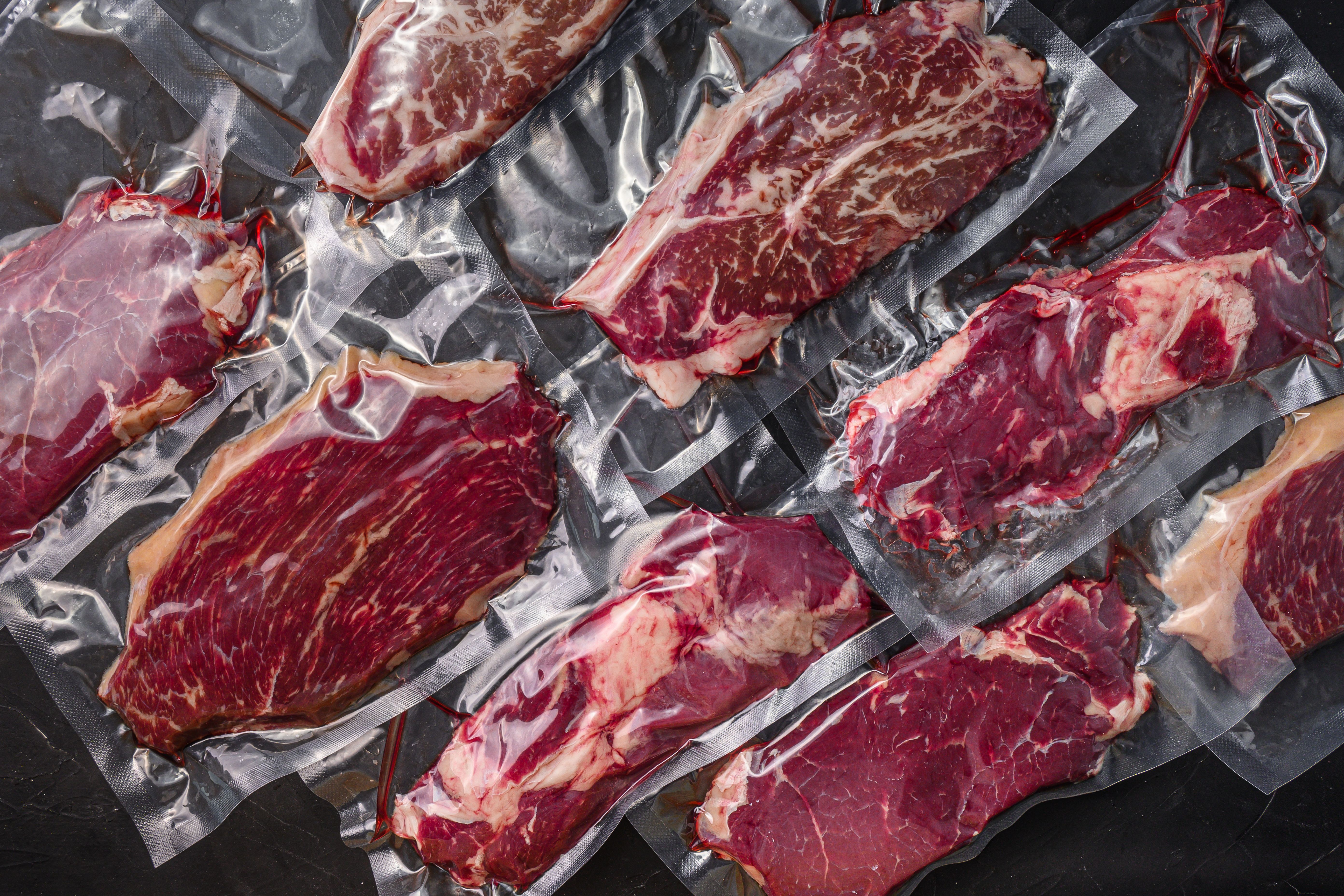
Environmental factors such as humidity, temperature, and exposure to sunlight can significantly impact the longevity of transport packages. Implement protective measures such as moisture barriers or UV-resistant coatings to mitigate these effects.
For temperature-sensitive items, consider using insulated packaging or temperature-controlled shipping methods to maintain product integrity.
Training and Handling
Proper training for handling and transporting packages is essential. Educate staff on the best practices for stacking, loading, and unloading to prevent damage. Regular training sessions can keep employees updated on new techniques and technologies in packaging.

Regular Monitoring and Feedback
Continuous monitoring and feedback are essential for refining packaging strategies. Collect feedback from customers and logistics partners to identify areas for improvement. Implementing suggestions can lead to more durable packaging solutions over time.
Utilize technology such as sensors or tracking devices to monitor the condition of packages in transit. This data can provide valuable insights into potential weaknesses in packaging design or handling processes.
By following these expert tips, businesses can significantly enhance the longevity of their transport packages, leading to improved efficiency, cost savings, and customer satisfaction.