Expert Tips: Reducing Environmental Impact with Sustainable Packaging


As businesses and consumers become more environmentally conscious, the demand for sustainable packaging solutions has skyrocketed. Companies are realizing that their choice of packaging plays a critical role in reducing their environmental impact. By embracing sustainable packaging, businesses can not only enhance their brand image but also contribute to a healthier planet.
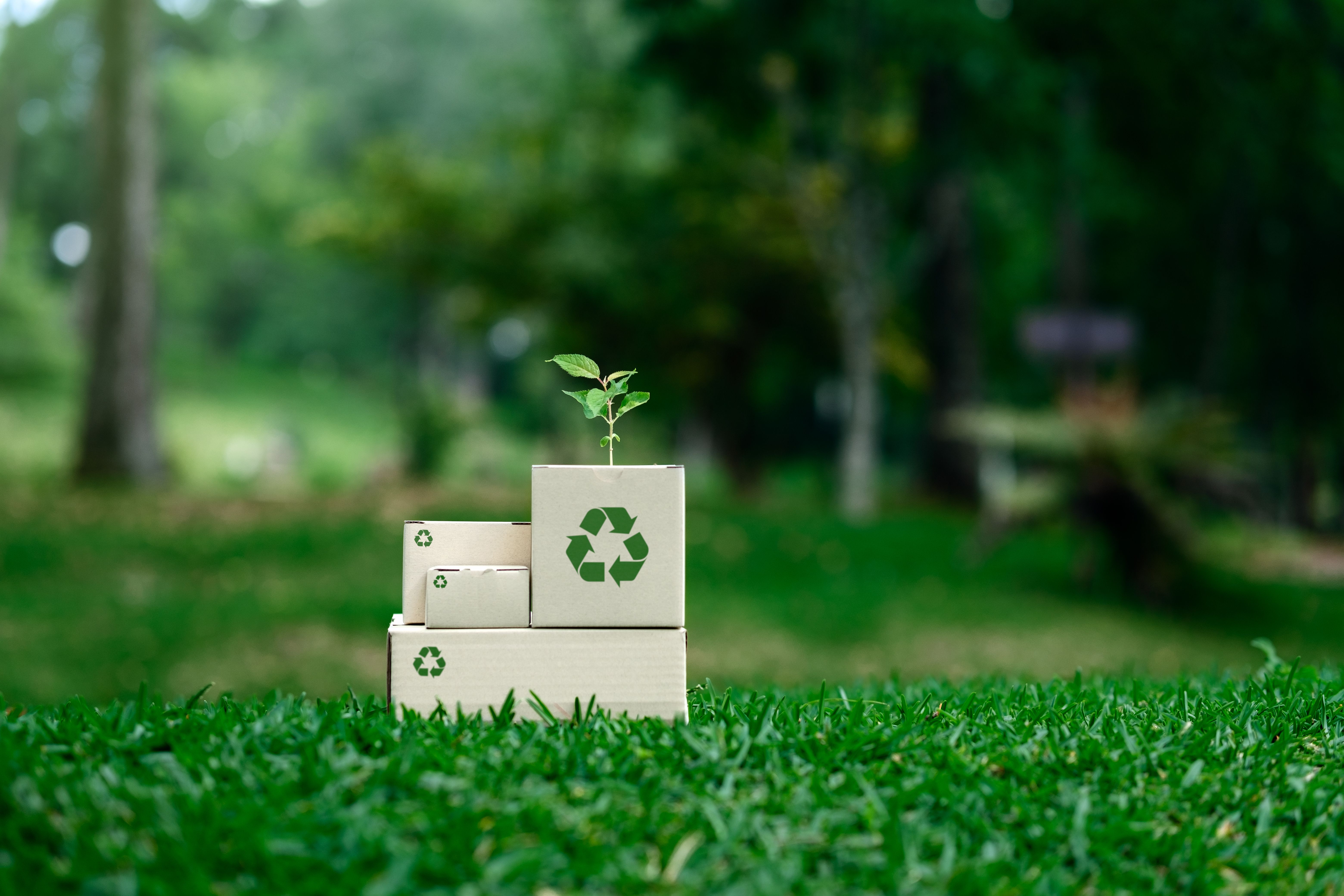
Understanding Sustainable Packaging
Sustainable packaging involves using materials and processes that have a minimal negative impact on the environment. The goal is to reduce waste, conserve resources, and promote recycling. This can be achieved through various strategies, from using biodegradable materials to designing packaging that requires less material overall.
One key aspect of sustainable packaging is the choice of materials. Opting for renewable, recyclable, or compostable materials can significantly reduce the environmental footprint. For example, paper and cardboard sourced from sustainably managed forests are excellent alternatives to plastic.
Implementing Recyclable Solutions
Recycling is a cornerstone of sustainable packaging. By ensuring that packaging materials are easily recyclable, businesses can help close the loop and reduce the need for virgin materials. This not only conserves resources but also reduces energy consumption and greenhouse gas emissions.
Companies should strive to use packaging materials that are widely accepted in recycling programs. Clearly labeling packaging with recycling instructions can also encourage consumers to participate in recycling efforts.

Innovative Design for Packaging
Another crucial aspect of sustainable packaging is innovative design. By rethinking packaging design, businesses can minimize waste and optimize the use of materials. This could involve creating packaging that is multifunctional or using design techniques that require less material without compromising functionality.
For instance, designing packaging that can be easily disassembled for recycling or repurposing can significantly enhance its sustainability. Additionally, reducing the size and weight of packaging can lower transportation emissions and costs.
Biodegradable and Compostable Options
Biodegradable and compostable packaging options are gaining popularity as they break down naturally and return to the environment without leaving harmful residues. These materials can be particularly beneficial for single-use products, reducing the long-term impact on landfills.
However, it’s important to ensure that these materials are disposed of correctly. Educating consumers about proper disposal methods can enhance the effectiveness of biodegradable and compostable packaging solutions.

Partnering with Eco-Friendly Suppliers
To fully embrace sustainable packaging, businesses should consider partnering with suppliers who share their environmental values. Working with suppliers committed to sustainability can ensure a more consistent supply of eco-friendly materials and foster innovation in sustainable packaging solutions.
By collaborating with like-minded partners, companies can stay ahead of industry trends and continuously improve their packaging practices, reinforcing their commitment to environmental responsibility.
In conclusion, sustainable packaging is more than just a trend; it's a vital component of a responsible business strategy. By focusing on recyclable materials, innovative design, and partnerships with eco-friendly suppliers, companies can significantly reduce their environmental impact while meeting consumer demand for greener products.