Comparing Packaging Materials: Which Option is Best for Your Shipping Needs?


Understanding Your Options
When it comes to choosing packaging materials for shipping, the options might seem overwhelming. Whether you're a small business owner or a logistics manager, selecting the right packaging is crucial for protecting your products and maintaining customer satisfaction. In this blog post, we'll explore some of the most common packaging materials and help you decide which option is best for your shipping needs.

Cardboard Boxes
Cardboard boxes are a staple in the shipping industry. They offer a versatile and cost-effective solution for many businesses. Cardboard is lightweight, recyclable, and can be customized in various sizes and shapes. However, it may not be suitable for heavy or fragile items, as it can easily be crushed or torn.
Cushioning Materials
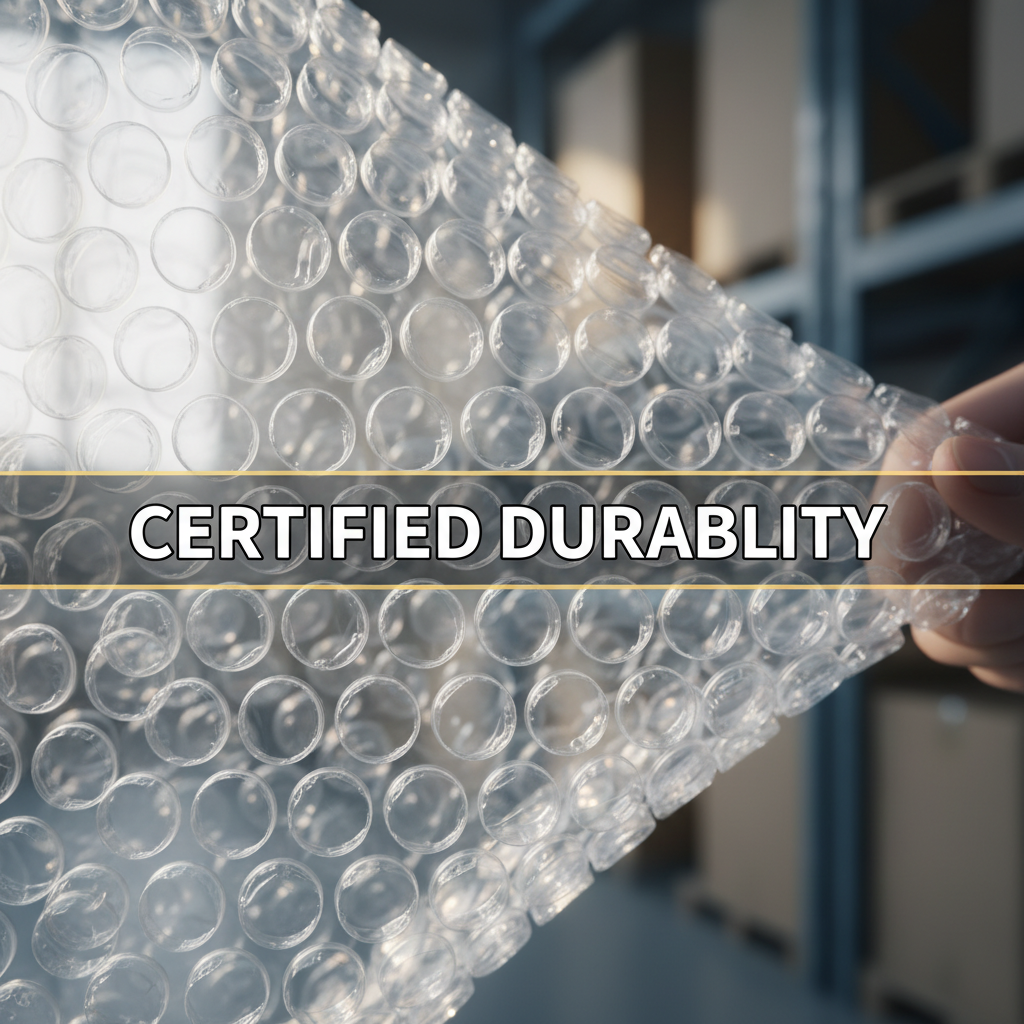
Protecting your items during transit often requires cushioning materials like bubble wrap, foam peanuts, or air pillows. These materials help absorb shock and prevent damage. Bubble wrap is great for fragile items, while foam peanuts are perfect for filling voids in larger boxes. Air pillows are a more environmentally friendly option, as they use less material.
Plastic vs. Biodegradable Options
Plastic packaging materials, such as poly mailers and shrink wrap, are durable and waterproof, offering excellent protection against moisture. However, they pose environmental challenges. As sustainability becomes more important, many businesses are turning to biodegradable options. Compostable mailers and recyclable paper packaging are gaining popularity due to their reduced environmental impact.
Wood Crates and Pallets
For shipping heavy or large items, wood crates and pallets provide the necessary support. Wood is sturdy and can handle substantial weight, making it ideal for industrial and international shipping. However, wood is also heavier and may increase shipping costs. Treatment and certification are often required for international shipments to prevent pest infestations.

Choosing the Right Material for Your Needs
The best packaging material depends on several factors, including the type of items being shipped, budget constraints, and environmental considerations. Here are some tips to help you choose:
- Assess your product: Consider weight, fragility, and size.
- Evaluate shipping conditions: Think about distance, mode of transport, and handling.
- Consider sustainability: Explore eco-friendly options that align with your brand values.
Cost Considerations
Cost is often a deciding factor when choosing packaging materials. While cardboard and foam peanuts are usually affordable, investing in premium materials like custom foam inserts or high-quality wood crates can provide better protection. Balancing cost with protection is key to optimizing your shipping strategy.

Conclusion
In conclusion, selecting the right packaging materials involves weighing various factors, including protection, cost, and environmental impact. By understanding the strengths and limitations of each material, you can make an informed decision that aligns with your business needs. Whether you prioritize sustainability or cost-effectiveness, the right choice will help ensure your products reach their destination safely and efficiently.