Case Study: Successful Implementation of Bulk Transport Packaging in China

Introduction to Bulk Transport Packaging
In recent years, China has emerged as a global leader in manufacturing and logistics. With the surge in industrial activities, the need for efficient and cost-effective transport solutions has become paramount. One such solution is bulk transport packaging, which has revolutionized the way goods are moved across vast distances.
Bulk transport packaging refers to the use of large containers designed to hold multiple units of a product. This method not only optimizes space but also reduces the overall cost of transportation. This case study explores the successful implementation of this practice in China.

The Challenges Faced
Before the adoption of bulk transport packaging, Chinese manufacturers faced numerous challenges. These included high transportation costs, frequent product damage, and inefficient use of space. The lack of standardized packaging also led to logistical inefficiencies, increasing lead times and operational costs.
Addressing these challenges required a strategic approach, involving the adoption of innovative packaging solutions and collaboration with logistics partners to streamline operations.
High Costs and Inefficiencies
Traditional methods of packaging often resulted in increased expenses due to the need for additional protective materials. Moreover, the absence of a unified packaging standard meant that loading and unloading times were prolonged, further driving up costs.
Implementation Strategy
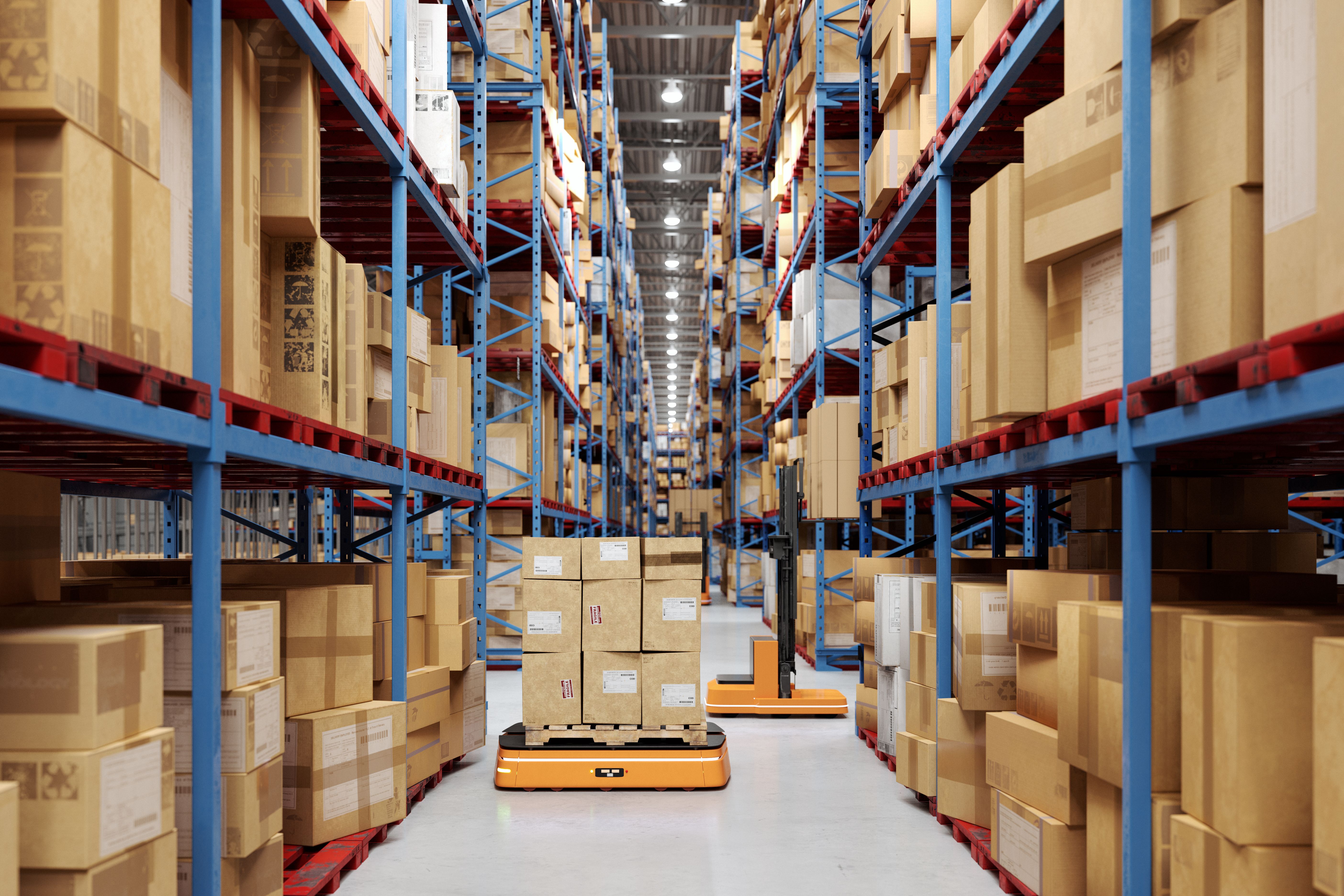
The first step in implementing bulk transport packaging in China involved a comprehensive analysis of existing logistics operations. This analysis helped identify areas where improvements were necessary. A crucial part of the strategy was to introduce standardized bulk packaging units that could be easily integrated into existing supply chains.
Collaboration with local manufacturers and logistics companies was essential to ensure the smooth transition from traditional packaging methods to bulk transport solutions.
Standardization and Training
Standardization played a vital role in the success of this initiative. By developing a set of uniform packaging standards, companies could ensure compatibility across different transport modes. Additionally, training programs were conducted to educate staff on the benefits and application of bulk transport packaging.

Benefits Realized
The implementation of bulk transport packaging in China led to significant improvements across various aspects of logistics and supply chain management. These benefits were not only financial but also operational, contributing to a more sustainable and efficient logistics ecosystem.
Some of the key benefits realized include:
- Cost Reduction: Reduced need for protective materials and faster loading times.
- Improved Efficiency: Streamlined operations and reduced lead times.
- Environmental Impact: Decreased waste due to reusable packaging materials.
Conclusion
The successful implementation of bulk transport packaging in China serves as a model for other countries looking to enhance their logistics capabilities. By overcoming challenges through strategic planning and collaboration, China has managed to set a new standard in efficient goods transportation.
As global demand for sustainable and cost-effective logistics solutions grows, the lessons learned from China's experience with bulk transport packaging will undoubtedly serve as an inspiration for future innovations in the industry.