Case Study: Success with Eco-Friendly Shipping Materials in China


Introduction
In recent years, the global push for sustainability has reached every corner of the business world. Companies are increasingly focusing on eco-friendly practices, with shipping and packaging being a significant area of attention. In China, where manufacturing and export are integral to the economy, adopting eco-friendly shipping materials has become both a challenge and an opportunity.
The Importance of Eco-Friendly Shipping Materials
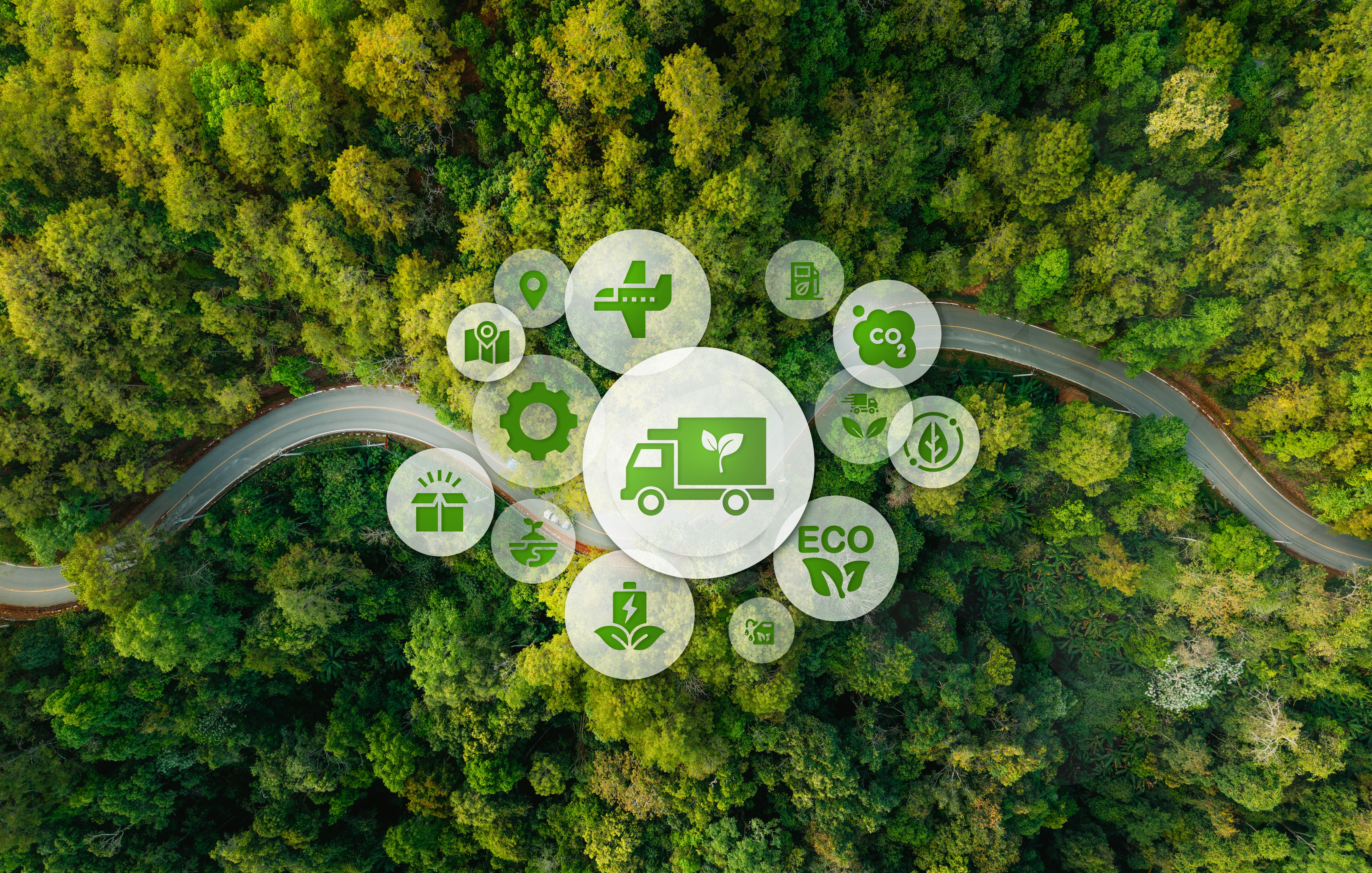
Shipping materials contribute significantly to environmental waste. Traditional materials like plastic and non-recyclable packaging have a detrimental impact on the ecosystem. By shifting to sustainable alternatives, businesses can reduce their carbon footprint and appeal to environmentally conscious consumers.
Companies in China are recognizing the importance of this shift. Implementing eco-friendly materials not only supports environmental goals but also aligns with global trends towards sustainability.
Benefits of Going Green
The benefits of using eco-friendly shipping materials are multifaceted. Here are some key advantages:
- Reduced Environmental Impact: Sustainable materials like recycled cardboard and biodegradable plastics minimize pollution.
- Cost Efficiency: Although initial costs might be higher, the long-term savings and improved brand image often outweigh these expenses.
- Consumer Appeal: Increasingly, consumers prefer companies that prioritize sustainability.
Case Study: A Success Story
One noteworthy example of success with eco-friendly shipping materials in China is a leading e-commerce company. This company decided to overhaul its packaging strategy, focusing on reducing plastic use and increasing the incorporation of biodegradable materials.

By collaborating with local suppliers, the company developed innovative packaging solutions that were both sustainable and cost-effective. This initiative not only reduced waste but also improved the company's market position.
Implementation Strategies
To achieve success, the company employed several strategies:
- Supplier Partnerships: Working closely with suppliers to source sustainable materials.
- Consumer Education: Educating customers about recycling and proper disposal of packaging.
- Continuous Innovation: Investing in research to develop new eco-friendly packaging solutions.
Challenges and Solutions
Despite the positive outcomes, transitioning to eco-friendly materials is not without challenges. Cost concerns, supply chain adjustments, and consumer resistance can pose significant hurdles. However, these challenges can be mitigated with strategic planning and commitment to sustainability goals.
For example, the e-commerce company addressed cost issues by gradually phasing in new materials and collaborating with local governments to receive subsidies and support.
Future Outlook
The future of eco-friendly shipping materials in China looks promising. As awareness grows and consumer demand for sustainable practices increases, more companies are likely to adopt green initiatives. This shift not only benefits the environment but also enhances brand loyalty and market competitiveness.
By continuing to innovate and collaborate, businesses in China can lead the way in sustainable shipping practices, setting a standard for global operations.