Case Study: Optimizing Transport Packaging for Cost Efficiency

Introduction to Transport Packaging Optimization
In today's competitive market, companies are constantly seeking ways to optimize their operations. One often overlooked area is transport packaging. By focusing on this aspect, businesses can achieve significant cost efficiency while also enhancing sustainability. This case study explores how a leading logistics company successfully optimized its transport packaging.
Traditionally, transport packaging has been seen as a necessary expense. However, innovative approaches can transform it into a strategic advantage. The company in this case study embarked on a journey to rethink its packaging strategy, with impressive results.
Identifying Key Challenges
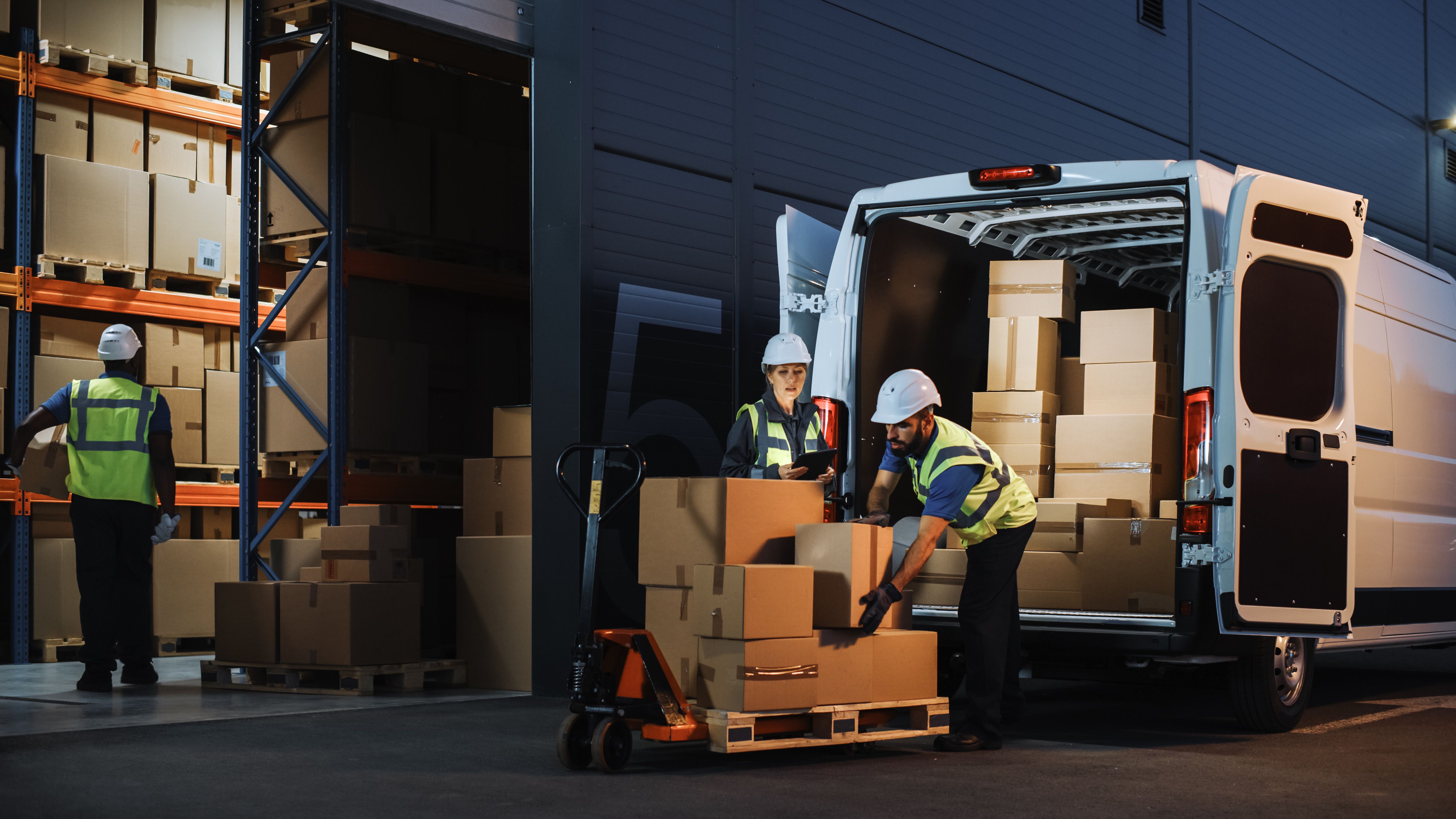
The first step in the optimization process was identifying the key challenges associated with the current packaging approach. The company faced issues such as excessive material costs, inefficiencies in packing processes, and high damage rates during transportation. By conducting a comprehensive analysis, they were able to pinpoint specific areas for improvement.
One major challenge was the lack of standardization in packaging materials. This led to increased costs and inconsistencies in protection levels. Additionally, the company recognized the need for more sustainable packaging solutions to meet growing environmental concerns.
Implementing Strategic Solutions
Armed with insights from their analysis, the company implemented a series of strategic solutions. First, they standardized their packaging materials, opting for durable, recyclable options that reduced costs and enhanced sustainability. This change alone led to a significant decrease in material expenses.

Next, the company optimized their packing processes by introducing automated systems. These systems not only sped up the packing process but also ensured consistent protection and minimized human error. As a result, the damage rates during transportation dropped dramatically.
Measuring the Impact
To measure the impact of these changes, the company established key performance indicators (KPIs) to track improvements. They focused on metrics such as cost savings, reduction in damage claims, and improvements in delivery times. The data collected demonstrated a remarkable improvement in all areas.
Cost savings were particularly noteworthy. By optimizing their transport packaging, the company reduced expenses by 15%, translating to significant annual savings. Additionally, the reduction in damage claims not only saved money but also improved customer satisfaction.

Lessons Learned and Future Steps
This case study highlights several valuable lessons. First, the importance of viewing transport packaging as a strategic element rather than just an operational necessity. Second, the benefits of embracing sustainability not just for cost savings but also for brand reputation. Lastly, the value of data-driven decision-making in achieving successful outcomes.
Moving forward, the company plans to continue refining their packaging strategy. They are exploring the use of advanced technologies like IoT to further enhance efficiency and tracking capabilities. By staying committed to innovation, they aim to maintain their competitive edge.
In conclusion, optimizing transport packaging for cost efficiency is a powerful strategy that can yield substantial benefits. Companies willing to rethink and innovate in this area will not only save money but also contribute positively to the environment and customer satisfaction.