Breaking Down the Myths of Sustainable Packaging in China

Understanding Sustainable Packaging
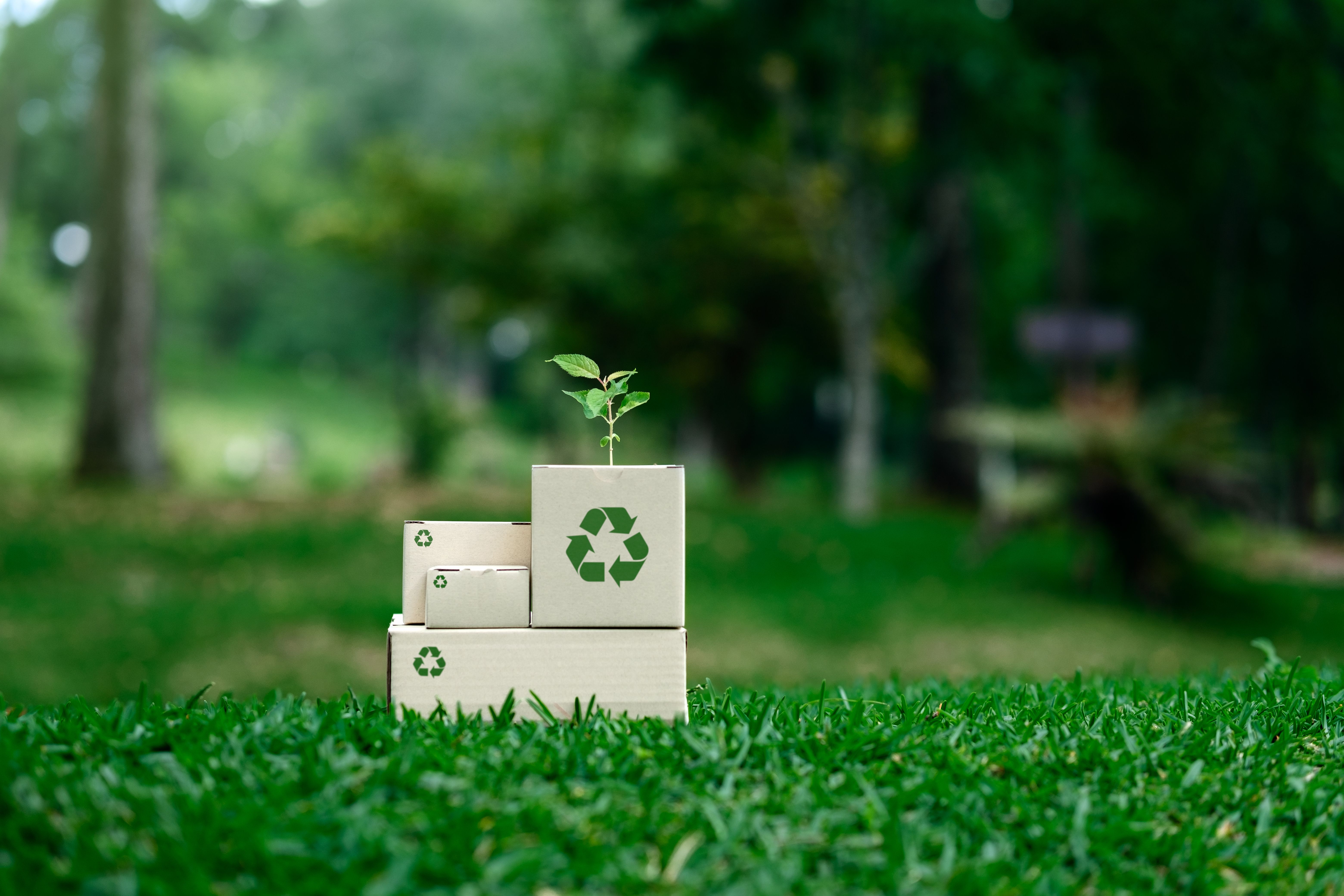
Sustainable packaging has become a hot topic globally, and China is no exception. With increasing awareness of environmental issues, businesses and consumers alike are turning their attention to how products are packaged. But what does sustainable packaging truly mean in the Chinese context?
Sustainable packaging refers to materials and processes that have minimal impact on the environment. This can include biodegradable materials, recyclable options, and energy-efficient manufacturing processes. However, many myths surround the concept, particularly in China, where rapid industrial growth has often overshadowed environmental concerns.
Myth 1: Sustainable Packaging is Too Expensive
One common myth is that sustainable packaging is prohibitively expensive. While it’s true that some eco-friendly materials may cost more upfront, the long-term benefits often outweigh the initial investment. Sustainable packaging can lead to cost savings through reduced waste and improved efficiency.
Many Chinese companies are discovering that consumers are willing to pay a premium for environmentally friendly products. As demand increases, the cost of sustainable materials is expected to decrease, making them more accessible to businesses of all sizes.
Myth 2: Limited Availability of Materials
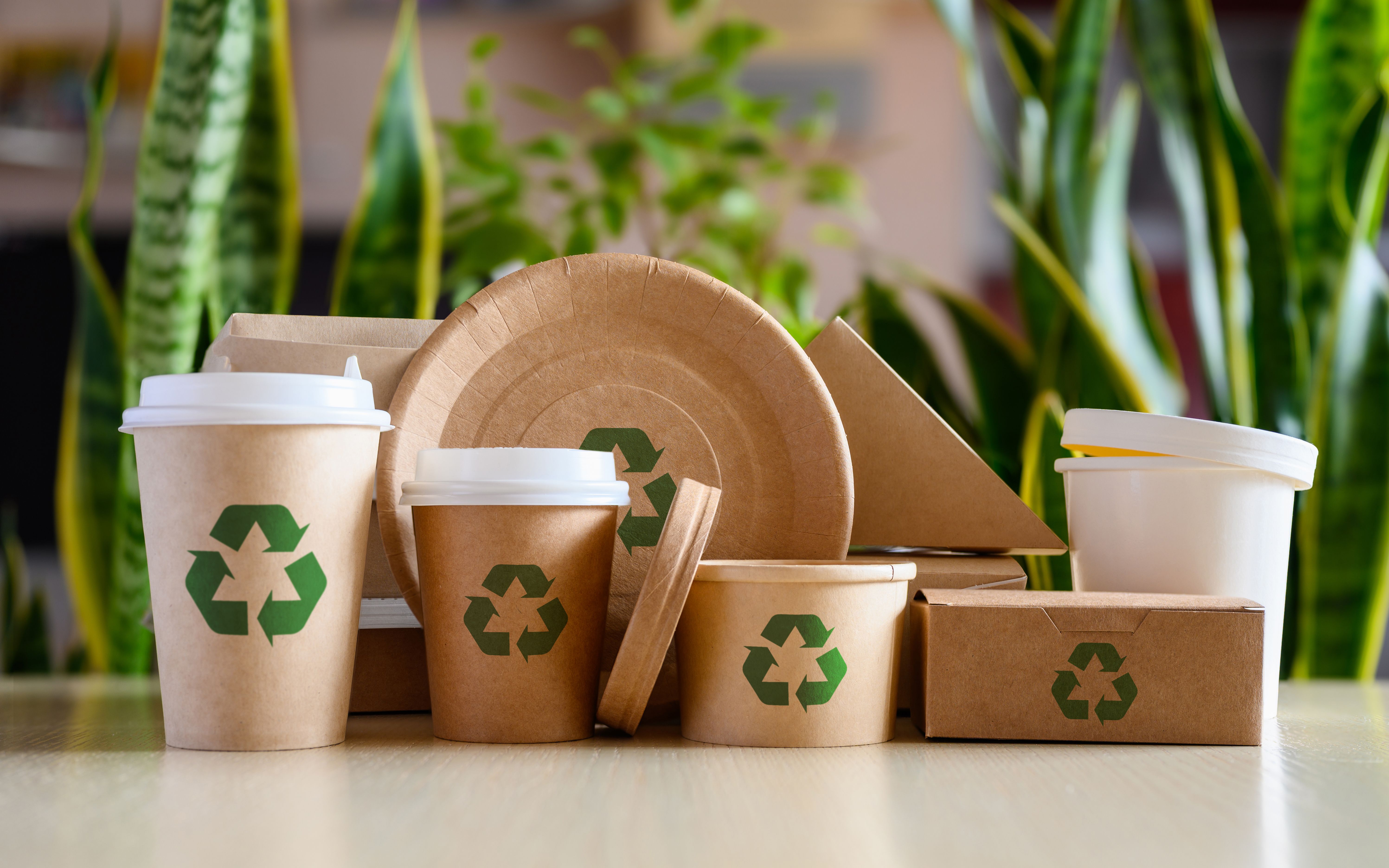
Another misconception is that sustainable packaging materials are not readily available in China. In reality, China is home to numerous suppliers and manufacturers specializing in eco-friendly packaging solutions. From bamboo and paper to compostable plastics, the options are vast and growing.
Additionally, the Chinese government is actively promoting green initiatives, encouraging local businesses to adopt sustainable practices. This has led to increased research and development in the field, further expanding the availability of materials.
Myth 3: Lack of Consumer Interest
Some believe that Chinese consumers are not interested in sustainable packaging. However, recent studies show a significant shift in consumer attitudes. More people are becoming environmentally conscious and are actively seeking products that align with their values.
Brands that embrace sustainable packaging often find themselves appealing to a broader audience. By highlighting these efforts in their marketing strategies, companies can attract eco-conscious consumers, enhancing brand loyalty and reputation.

The Future of Sustainable Packaging in China
The landscape of sustainable packaging in China is poised for growth. As awareness continues to rise, both consumers and businesses are demanding more sustainable options. The government's commitment to reducing environmental impact further supports this trend.
Looking ahead, we can expect continued innovation and collaboration between industry leaders, researchers, and policymakers. By breaking down these myths and embracing sustainable practices, China has the potential to lead the way in environmentally responsible packaging.